
Travel photography has become an essential part of the modern journey. Whether you’re hiking through misty mountains, wandering cobblestone streets, or sitting in a remote village café, the urge to document these moments is natural. But carrying heavy camera equipment across continents can quickly turn from exciting to exhausting. The challenge many travellers face is finding the right balance between capturing quality images and maintaining the freedom to explore without being weighed down by gear.
The good news is that technology has evolved dramatically. You no longer need a massive camera bag and multiple lenses to create compelling travel content. Modern photography tools have become more portable, intuitive, and powerful than ever before. Whether you’re interested in a compact camera or exploring smartphone-based solutions, the options available today make it possible to travel light while still capturing stunning visuals. This shift toward accessibility means that adventure seekers of all skill levels can document their journeys without sacrificing mobility or comfort.
Rethinking Your Photography Setup
The traditional approach to travel photography often involved lugging around a DSLR, multiple lenses, tripods, and filters. While professional-grade equipment certainly has its place, it’s not necessary for most travellers. The real question isn’t about having the fanciest gear, but rather about choosing tools that match your travel style and photographic goals.
Start by honestly assessing what you actually need. Are you creating content for social media, printing large format images, or simply capturing memories for personal enjoyment? Your answer will shape your equipment choices significantly. Someone documenting a weekend city break has very different needs than a filmmaker producing travel vlogs or a photographer working on a long-term project.
The shift toward minimalist travel photography has revealed something important: constraints often spark creativity. When you’re limited in what you can carry, you become more intentional about composition, timing, and subject selection. You learn to work with available light rather than relying on external flashes. You find unique angles instead of shooting from the most obvious vantage point. These limitations frequently result in more interesting, authentic images than what you might capture with unlimited equipment.
Mastering Light and Composition
Photography fundamentals remain unchanged regardless of your equipment. Light is everything. The golden hour, that magical time shortly after sunrise or before sunset, transforms ordinary scenes into something extraordinary. Plan your shooting schedule around these windows of light, and you’ll notice an immediate improvement in your images.
Composition is equally important. The rule of thirds, leading lines, and framing techniques work just as well with a smartphone as they do with a professional camera. Practice seeing your environment as a series of visual elements before you even raise your camera. Look for patterns, textures, and interesting shadows. Notice how light falls across a subject. These observations will guide you toward better shots regardless of what device you’re using.
Don’t overlook the power of perspective. Some of the most compelling travel photos come from unexpected angles. Get low, climb higher, or shoot through foreground elements to add depth and interest. These compositional choices cost nothing and require only your willingness to experiment and move around your subject.
Smartphone Photography Has Grown Up
Modern smartphones have become remarkably capable photography tools. The computational photography features built into current devices can rival dedicated cameras in many situations. Night mode, portrait mode, and HDR processing happen automatically, allowing you to focus on framing and timing rather than technical settings.
The real advantage of smartphone photography for travellers is convenience. Your phone is already in your pocket. You’re not making a conscious decision to bring a camera; you’re simply using the device you carry everywhere anyway. This accessibility means you’re more likely to capture spontaneous moments that might otherwise be missed while you’re fumbling with a camera bag.
Smartphone photography also integrates seamlessly with content sharing. You can edit, add captions, and post directly to social media without transferring files to a computer. For travellers documenting their journey in real time, this workflow efficiency is invaluable.
Stabilisation and Movement
One area where dedicated cameras still shine is in capturing smooth video and handling movement. If you’re interested in creating dynamic travel content, stabilisation becomes important. Shaky footage is distracting and unprofessional, regardless of how beautiful your subject matter is.
Fortunately, stabilisation technology has become more accessible and affordable. Smartphone gimbals and mounts can transform handheld video into smooth, cinematic footage. These tools are lightweight enough to pack without significantly increasing your load, yet they make a dramatic difference in video quality.
When shooting video while travelling, movement tells a story. Walking through a market, panning across a landscape, or following a subject through a scene creates engagement and energy. Stabilisation equipment helps you execute these movements smoothly, elevating your content from amateur to polished.
Editing and Post-Processing
The camera captures the raw material, but editing is where your vision truly comes to life. Travel photography benefits enormously from thoughtful post-processing. Adjusting exposure, enhancing colours, and sharpening details can transform a decent photo into a stunning one.
The good news is that editing software has become increasingly user-friendly. Mobile apps allow you to edit photos directly on your phone, which is convenient when you’re travelling and don’t have access to a computer. Desktop software offers more advanced controls for those willing to invest time in learning.
Develop a consistent editing style. This doesn’t mean making every photo look identical, but rather applying a cohesive aesthetic that ties your travel photography together. Whether you prefer warm, saturated tones or cool, muted palettes, consistency creates a recognisable visual identity across your collection.
Practical Tips For Travel Photography Success
Keep your gear organised and protected. A small camera bag or even a dedicated compartment in your backpack prevents damage and makes equipment easy to access. Protect your lenses and sensors from dust, sand, and moisture, especially when travelling in challenging environments.
Backup your files regularly. Travel often means being away from home for extended periods. Losing months of photos to a corrupted memory card or stolen device is heartbreaking. Use cloud storage, external drives, or both to ensure your images are safe.
Practice regularly. Photography skills improve through repetition and experimentation. Challenge yourself to shoot in different lighting conditions, try new compositions, and explore unfamiliar subjects. Each destination offers unique opportunities to develop your craft.
Connect with other travel photographers. Online communities and local photography groups can provide inspiration, feedback, and tips specific to the destinations you’re visiting. Learning from others’ experiences accelerates your own growth.
Conclusion
Travel photography doesn’t require expensive equipment or technical expertise. By focusing on fundamentals like light and composition, choosing tools that match your needs and travel style, and committing to regular practice, you can capture compelling images that preserve your adventures and tell meaningful stories.
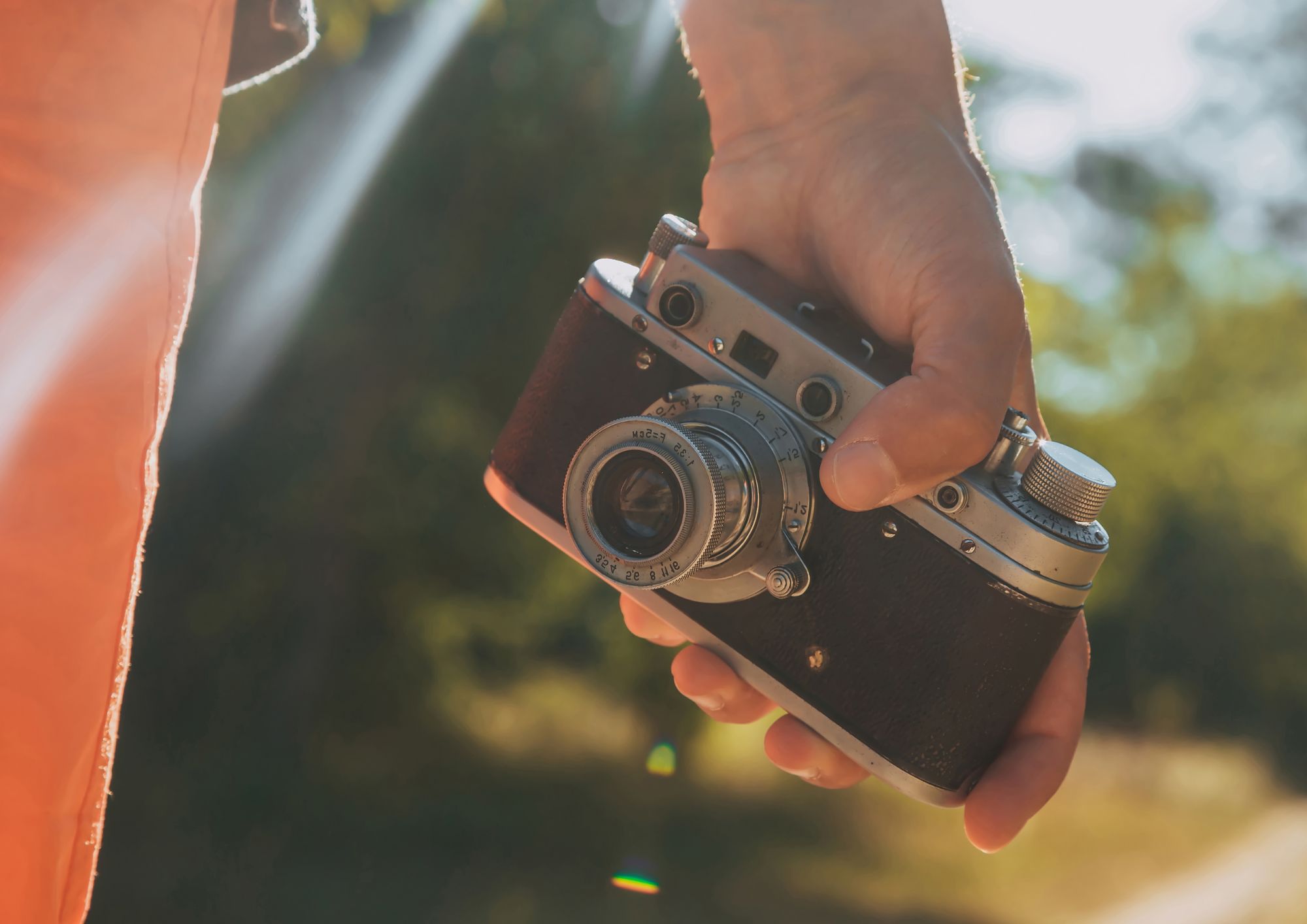
The best camera is the one you have with you, whether that’s a smartphone, a compact device, or a dedicated camera. What matters most is your willingness to observe your surroundings carefully, experiment with different approaches, and stay present in the moment. When you combine intention with accessibility, your travel photography becomes a genuine extension of your journey rather than a burden that distracts from it.