
If you’re the kind of traveller who finds themselves scrambling up muddy ridgelines before sunrise, navigating souks at dusk, or sitting cross-legged in a village where the electricity flickers on for just a few hours each day, your camera kit needs to keep up.
That means rethinking everything from your choice of camera body to how you’re going to charge your batteries in a remote location. Here’s everything you need to know about building a photography setup that’s as adventure ready as you are, so you can focus on capturing those memories.
The Ethical Explorer
Before we get into the gear specifics, here’s a case for buying used. Purchasing a pre-owned camera body through a reputable platform like MPB keeps high-quality hardware in circulation and actively reduces the demand for newly manufactured electronics, which are one of the most resource-intensive products on the planet.
At a time when e-waste is a genuine crisis, being able to buy a high-quality camera without the environmental impact is one of the most tangible ways we can enjoy our passion for photography with a lighter footprint.
Buying used is certainly the most environmentally friendly option but this segment of the market also gives you access to a clever upgrade for models that would otherwise be out of budget.
The Anatomy of an Off-Grid Camera
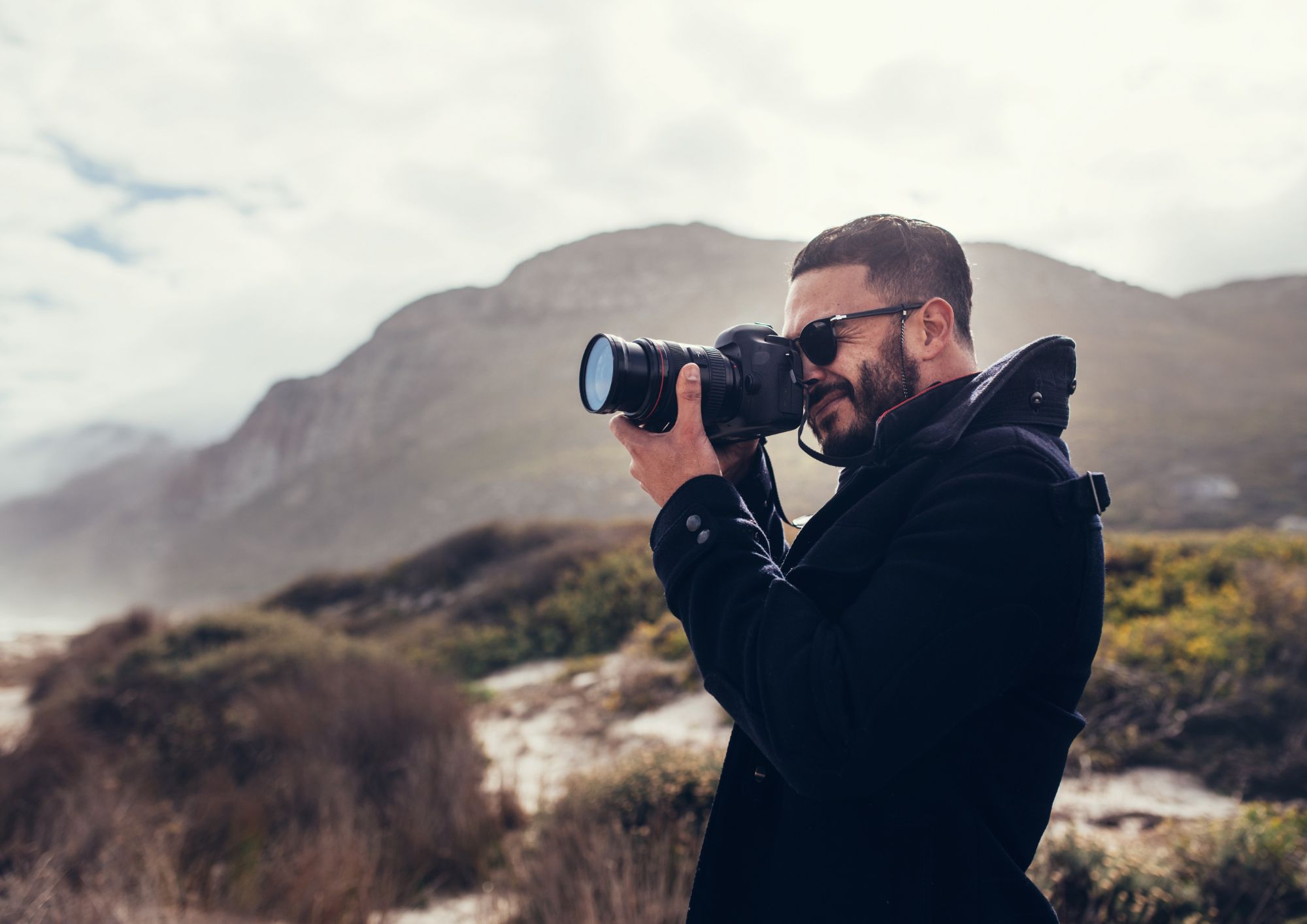
There’s a reason seasoned expedition photographers don’t reach for the same kit as a weekend day-tripper. When you’re travelling to far-flung destinations, a standard consumer camera is likely to struggle. Humidity warps seals, dust infiltrates mounts, and the cold weather saps batteries at an alarming rate. Off-grid photography sessions require equipment that’s durable and built to withstand harsher conditions.
There are a few non-negotiables to look for. The first is a magnesium alloy frame paired with hardwearing weather-sealing. These features will set a camera that can cope with a sudden monsoon downpour from one that can’t.
When planning for a trip, task yourself:
- How much weight are you willing to carry? A lighter bag will give you more energy for exploring and is better for a trip where you’ll be on your feet for long periods of time. If you’re travelling in a van or a car, however, you have more flexibility for heavier models.
- Flexibility or simplicity? A flexible setup allows for multiple lens options that can adapt to landscape and wildlife compositions, while a simpler one with fixed focal length offers zero lenses to worry about, and incredible rendering.
Optics for the Unknown
In unpredictable environments, having a versatile lens is everything.
- The Workhorse: A 24–70mm or 24–105mm f/4 zoom is one you’ll reach for again and again. It’s wide enough for dramatic landscapes, yet long enough for candid portraits of the people you meet along the way.
- The Low-Light Specialist: Pair your zoom with a fast prime lens (a 35mm or 50mm f/1.8 is ideal) and you’re well equipped to shoot inside dimly lit temples or night markets without the intrusion of a flash. This can instantly change the mood of a scene and the trust of the people in it.
When it comes to lens quality, think long-term. Investing in professional-grade glass, like Canon’s L-series, Nikon’s S-line, Sony’s G Master, isn’t just about the sharpness of the image but their ability to prevent weather damage. These lenses are built with the same weather-sealing philosophy as pro camera bodies, and they hold their value and integrity remarkably well, making them one of the smartest investments a travelling photographer can make.
The Mirrorless Edge for Power and Portability
One of the most significant shifts in adventure photography is the near-universal adoption of USB-C Power Delivery across mirrorless camera bodies. This feature is genuinely transformative for off-grid travel, allowing you to top up your camera from a solar panel, a power bank, or a vehicle’s USB port. It extends your shooting days without you needing to worry about taking an army of spare batteries with you.
Then there’s the issue of weight. Anyone who’s shouldered a full DSLR kit for eight hours on a mountain trail knows that every gram matters. A mirrorless setup can shave valuable weight from your pack, which reduces fatigue and helps you stay sharper (both physically and creatively) as the day goes on.
Finally, when the terrain makes it impossible to set up a tripod, in-body image stabilisation (IBIS) becomes your best friend, especially for wildlife photography. Modern mirrorless IBIS systems compensate for several stops of camera shake, which means you can capture genuinely usable handheld shots, even in the low-light situations.
Resilience in Extreme Conditions
Cold, dust, and humidity are the three enemies of camera gear but unfortunately, ever present when you’re out in the wilderness. In Arctic and alpine environments, battery performance can drop by as much as 50% in freezing temperatures, so keep spares in an inner jacket pocket close to your body and only swap them out when you need to.
Condensation is a more insidious threat. Moving from the cold outside air into a warm tent or van, or vice versa, creates moisture on and inside your gear. To prevent any lasting damage, let your camera acclimatise slowly inside a sealed bag before exposing it to warmer air.
Lastly, a few additions to help keep your kit clean. A rainsleeve is a must for rainy climates, and they take up barely any room in your bag so they’re worth having to hand, as is a Rocket Air Blower which helps to keep dust and debris off your camera to keep it as good as new. With these items on hand, you’re adventure-ready and equipped with the right tools for impeccable shots.
READ MORE TRAVEL PHOTOGRAPHY GUIDES FROM WANDERLUSTERS