
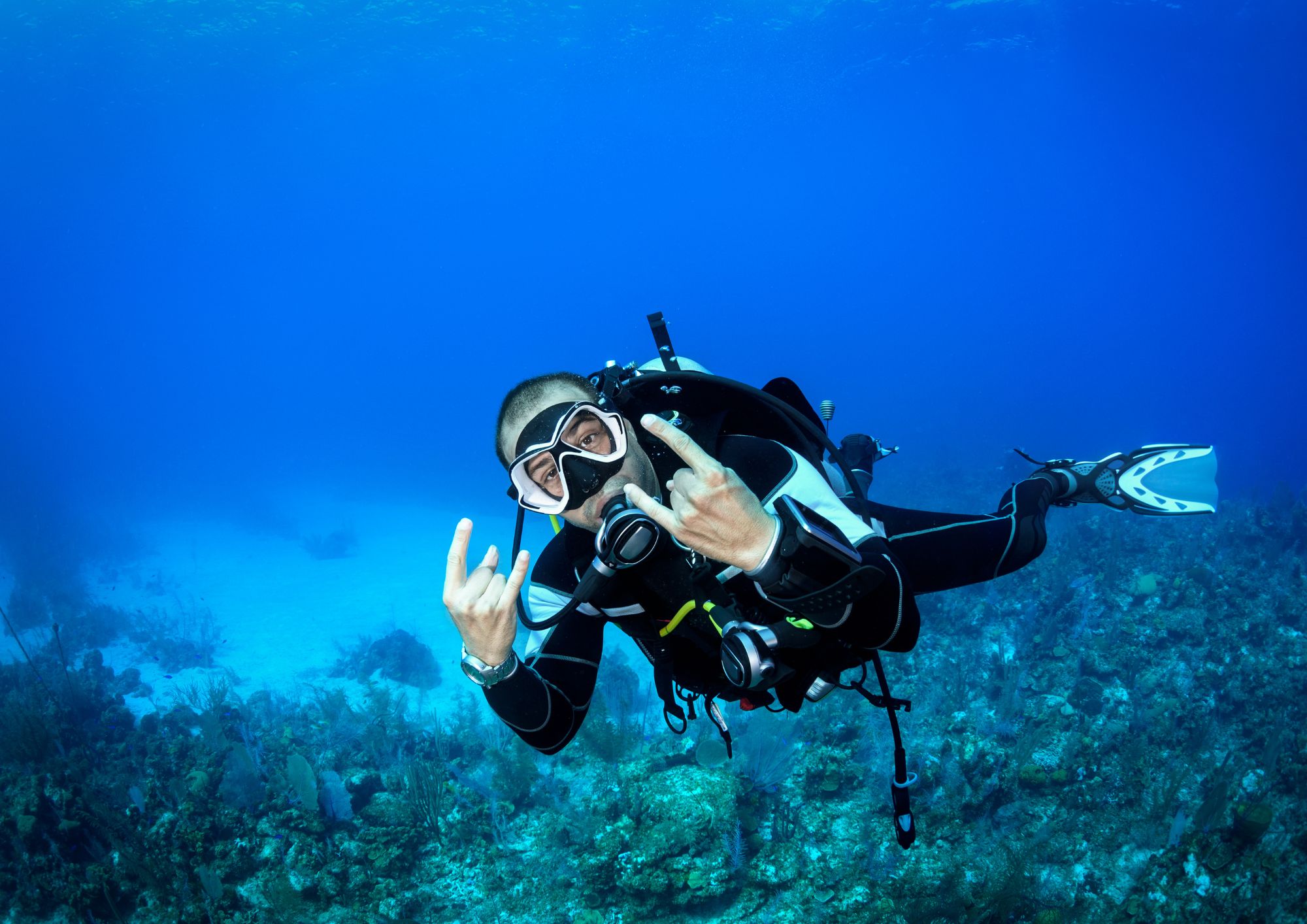

Planning a dive trip without a package is an empowering way to travel, but it demands careful preparation and thoughtful decision-making. Unlike organised packages, you will organise everything from equipment arrangements to transportation, so attention to detail is essential. Taking time to plan each step helps ensure a safer and more enjoyable independent scuba diving trip.
Embarking on your first self-organised scuba diving trip can be both exciting and daunting, especially when you are responsible for logistics previously handled by a dive operator. When you travel independently, decisions about destinations, lodging, transport and equipment must all be coordinated, sometimes across multiple countries or islands.
Choosing the Right Destination and Timing
Without a dive package to rely on, selecting your destination becomes your most critical choice. Start by researching dive sites that cater to independent travellers and evaluating the level of infrastructure, such as shore dives versus those requiring boat hire. Consider places where facilities and transport are easily accessible, especially if you’re unfamiliar with the region’s language or customs.
Plan your dive dates around optimal conditions for the site you’ve chosen, such as visibility, water temperature and marine life activity. Certain destinations offer peak seasons for specific encounters, like manta rays or whale sharks, while off-peak seasons might provide quieter reefs but riskier conditions. Timing your trip thoughtfully will maximise both safety and enjoyment and set the tone for a successful first independent dive experience.
Independent Gear Logistics and Flight Preparation
Managing your own scuba gear on a non-package trip demands proactive preparation. Weigh every piece of kit and review baggage allowances and restrictions for your chosen airlines, including domestic flights or ferries that may have stricter rules. For a typical scuba diving trip, regulators, computers and certification cards should always travel with you in your cabin bag, while wetsuits and fins can be packed securely in checked luggage.
Packing methods matter: use hard cases for delicate electronics, ventilated mesh bags for damp wetsuits and label compartments to simplify security checks. Carry a printout or phone copy of your inventory to handle unexpected questions from airport inspectors. Taking these steps helps prevent lost, damaged or delayed equipment from disrupting your plans during your scuba diving trip and allows you to focus on your dives instead of on transit hurdles.
Arranging Local Services and Handling Rental Gear
Without a package, you’ll arrange local guides, boat hire or tank rentals on your own. Email potential dive centres in advance to confirm availability and fees and book popular operators as early as possible, especially in high season. For shore diving, research entry points, site accessibility and any local rules or permits required, so you’re not met with surprises on arrival.
If flying with a full kit isn’t practical or baggage limits are strict, renting select items locally is often the smartest solution. Many dive centres maintain reliable equipment and can set aside specific sizes if you contact them ahead of your scuba diving trip. Always inspect rental gear for wear, checking seals, hoses and buckles for damage. Always ask when the equipment was last serviced to maintain safety throughout your dives.
Staying Organised and Prepared Throughout Your Trip
Independent dive travel calls for a strategic approach to organisation. Create a personal checklist before departure, covering essentials like masks, mouthpieces, spare O-rings and fin straps, to minimise the risk of forgetting crucial components in your excitement. Pack a basic tool kit with silicone grease, zip ties and small tools to handle minor equipment issues that could delay a dive.
Stay vigilant about maintenance routines, such as rinsing gear frequently and drying items thoroughly to prevent salt corrosion or mould. Simple habits like using mesh drying bags or hanging suits on rods in well-aired spaces protect your investment and reduce replacement costs. Each step you take to remain organised and attentive makes your self-managed dive adventure more rewarding and transforms the absence of a package into a sense of achievement and confidence underwater. Also, don’t forget to have fun!
READ MORE SCUBA TRAVEL GUIDES FROM WANDERLUSTERS