
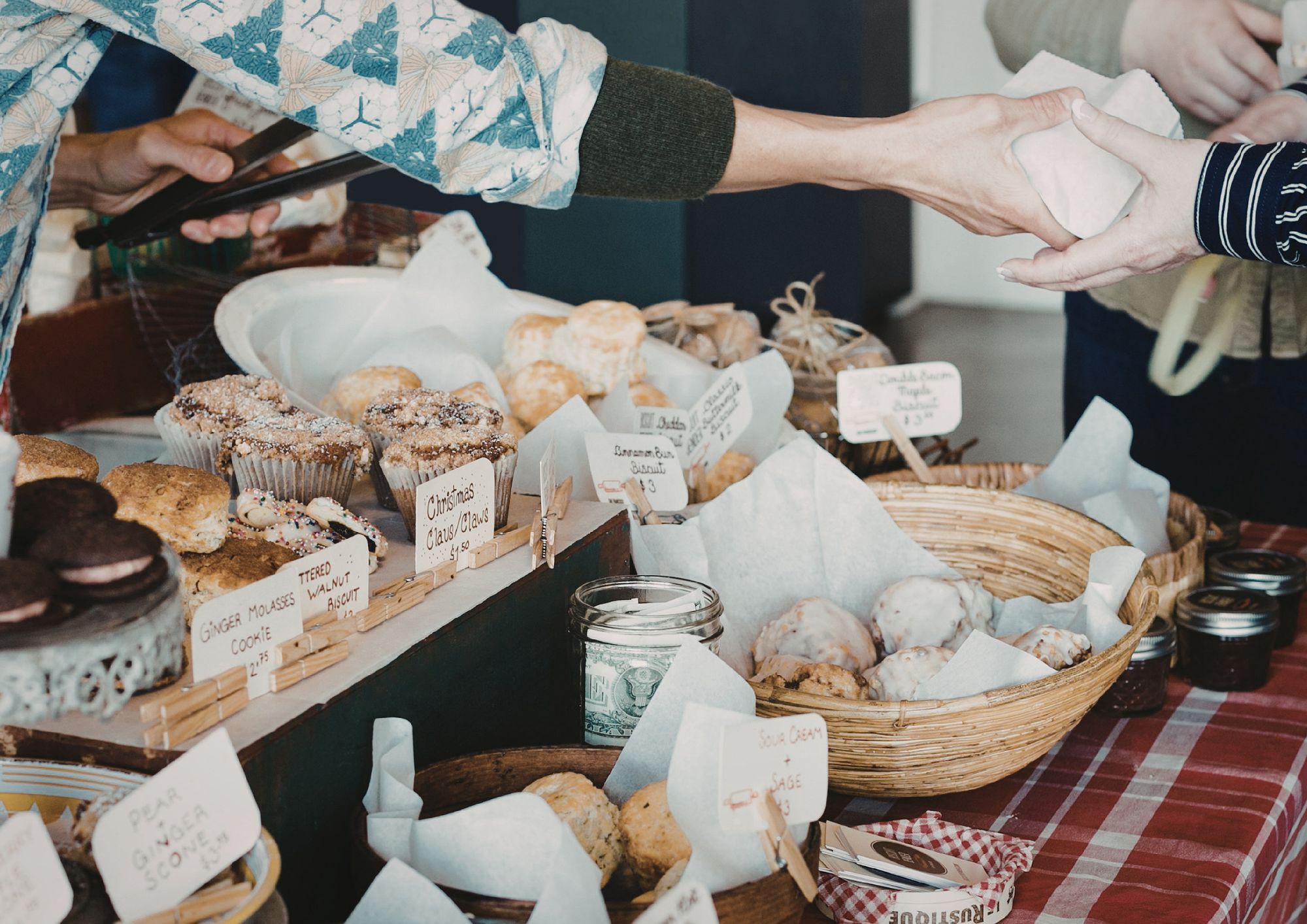

When you buy fresh produce while travelling, you’re often working with limited information and changing conditions. You may stop at roadside stalls, markets, or small shops where you cannot rely on familiar brands or routines. This makes it more important to assess quality and safety before you buy. A careful approach helps you avoid waste and reduces the risk of bringing unsafe food into your meals. Here are some important things to check when buying fresh produce on the road:
Brand updates
Keep an eye on the news for health scares and produce shortages. If you have go-to brands, regularly check their websites and social media for up-to-date info on what’s available and any supply chain issues. Reputable brands will always publicise any issues they’re having widely – for example, you can find Taylor Farms food recall information displayed prominently on the brand’s website.
Understanding what you are buying
You need to identify what type of produce you are dealing with and how it should look in peak condition. Different fruits and vegetables have different signs of freshness. It may sound obvious, but it’s worth repeating – the signs of ripeness in, say, a tomato will differ from those of an apple or leafy greens.
You should also consider how long the produce has likely been out for sale. Items exposed to heat or direct sunlight for long periods may deteriorate faster. If you are on a road trip in warm conditions, this becomes more important.
You can also check whether the produce matches the season. Out-of-season items may have travelled further or been stored for longer, which affects both quality and shelf life.
Asking about the source
You should ask where the produce comes from. Local produce often reaches the stall more quickly, which helps preserve freshness. It may also reduce handling steps, which lowers the chance of damage.
When you speak to the vendor, keep your questions simple and direct. Ask when the produce was harvested and how it has been stored. Clear answers help you assess whether the produce has been handled properly.
If the information is unclear or inconsistent, treat that as a signal to check more carefully before buying.
Inspecting appearance
You should examine each item rather than relying on a quick glance. Look for consistent colour and avoid items with large bruises, dark patches, or visible damage. These signs may indicate rough handling or spoilage.
Check leafy vegetables for wilting or dryness. Leaves should hold their structure rather than collapsing. For fruits, look for skin that is intact and free from deep marks.
If you buy packaged produce, check the packaging itself. Damage, swelling, or trapped moisture inside the pack can indicate that the contents are no longer fresh.
Checking smell and texture
You can learn a lot from how produce smells and feels. Fresh items usually have a clean, natural scent. If you detect an ‘off’ smell, it may indicate that the product has begun to spoil.
You should also handle items where appropriate. Firmness varies by produce type, but most fresh items should not feel overly soft or unstable. At the same time, avoid items that feel excessively hard if they are meant to be ripe.
For items like berries or delicate greens, handle them gently to avoid causing damage during inspection.
Observing storage conditions
You need to look at how the produce is stored at the point of sale. Check whether it is kept off the ground and protected from direct heat. Exposure to high temperatures can speed up deterioration.
You should also check for cleanliness around the display area. If surfaces or containers appear dirty, there is a higher chance of contamination. Pay attention to how different items are stored together. Raw produce placed next to spoiled items increases risk.
If you notice flies or signs of poor hygiene, consider moving to another stall.
Understanding handling practices
Watch how the vendor handles the produce. Frequent touching or rough handling can damage items and reduce shelf life. If multiple customers are handling the same produce, this may also affect cleanliness.
You can reduce risk by choosing items that have been handled less. For example, select produce from deeper within a stack rather than from the top layer that many people have touched.
You should also consider how the vendor weighs and packs items. Clean containers and careful handling indicate a more controlled setup.
Planning for storage after purchase
Once you buy produce, you need to think about how you will store it. If you are travelling, you may not have access to refrigeration straight away. Choose items that can withstand short periods without cooling if necessary.
You should separate delicate items from heavier ones in your bag. This prevents bruising during transport. If you have a cooler, use it to maintain a stable temperature.
You can also plan your meals around what you buy. Use more perishable items first and keep longer-lasting produce for later.
Keeping your choices controlled
When you buy fresh produce on the road, focus on observation, simple questions, and careful handling. Do not rely on assumptions about quality. Check each item based on what you can see, feel, and confirm directly.
A consistent approach helps you avoid poor-quality produce and reduces unnecessary risk while you travel.