
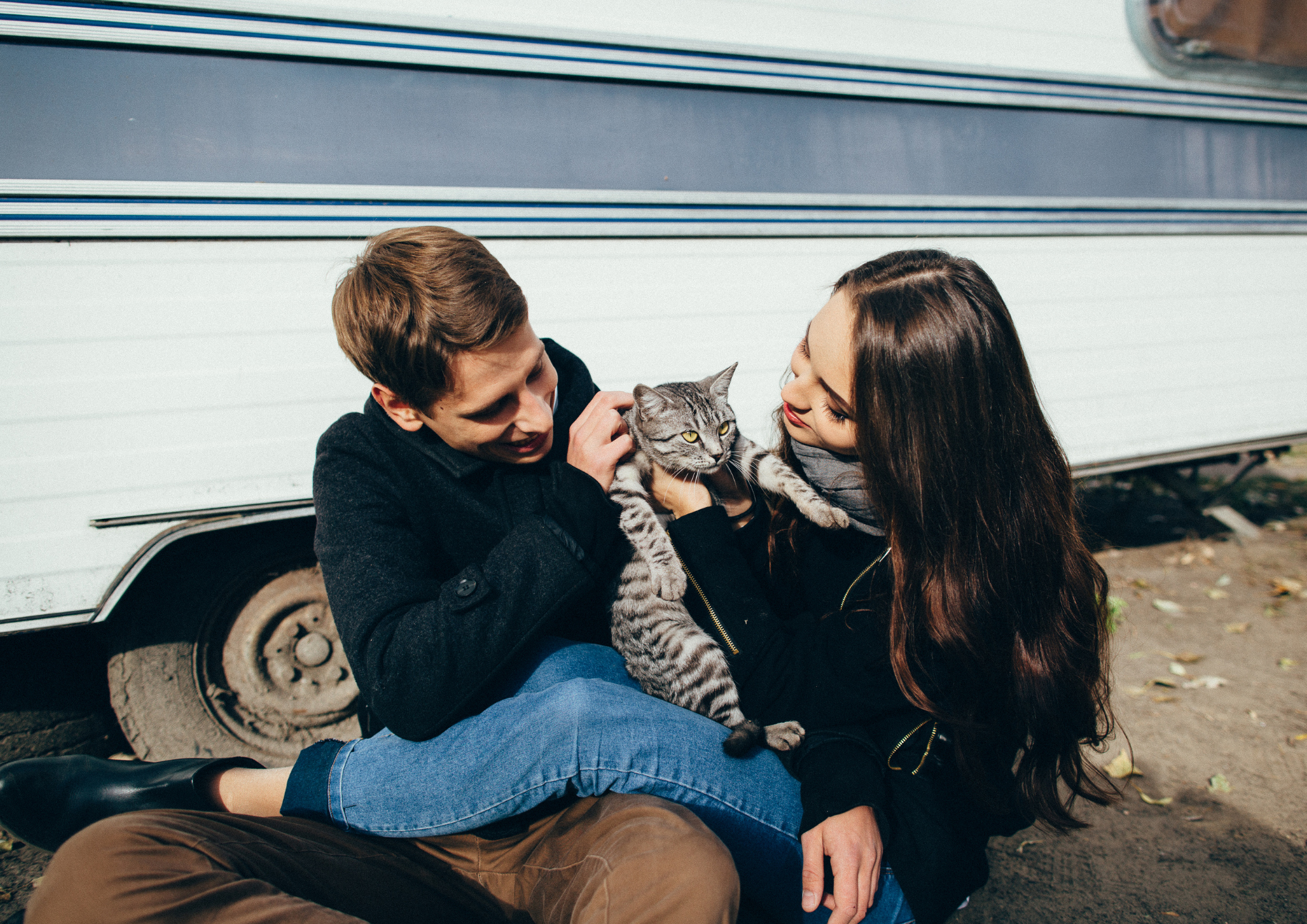

Planning a campervan layout takes a lot of measuring, but adding a cat to the build adds another layer to think about. Cats hate sudden noise and shaky movement, and a van moving down the highway has plenty of both. If you set up the space around how they actually move and sleep, living together in a vehicle is pretty manageable.
Dealing With the Litter Box
The litter box is usually the first annoying problem. In a normal apartment, you just throw the tray in a corner. In a van, there are no empty corners, and keeping an open pan on the floor means litter ends up in your bed on night one.
A simple fix is building a small cubby into a lower cabinet or under the bed. Cut a hole in the side door so the cat can walk in whenever they need to. If your pet is a rescue and you do not know their background, ordering a cat breed DNA test can be a quick way to guess how big they will get before you cut out that opening. Inside the cabinet, mount a tiny 12-volt computer fan that pulls air out through a carbon filter and vents it under the floor. It stops the smell from ever reaching the main cabin. Put a rubber mat right outside the hole to catch loose litter off their paws.
Fixing Windows and Doors
A cat running out of an open door at a truck stop is a quick nightmare. Factory campervan screens are usually thin netting made for bugs. They tear right away if a cat decides to jump at a bird outside.
Swap those standard flyscreens for thick pet mesh made from coated polyester. It does not rip under claws. The side sliding door is another weak spot. Every time you slide it back to grab gear, there is a giant gap. Hanging an inner magnetic mesh curtain gives you a quick buffer so you can see where your cat is standing before you step out. When you are driving, keep them secured in a travel box or in a harness clipped to a belt anchor. Having a cat loose around your pedals on the highway is just dangerous.
Heat and Ventilation
Metal vans get hot extremely fast in the sun. A vehicle parked without shade warms up in minutes, and cats do not handle heat well. Leaving a window cracked while you go to a store is not enough.
Good wall insulation is mandatory to stop the sheet metal from radiating heat inside. Install a powered roof vent like a Maxxair fan to pull hot air out continuously without draining your batteries. If you leave the cat inside to go grab food, get a basic cellular temperature sensor. It sends a text straight to your phone if the inside temp gets too high so you can run right back.
Shelves and Bowls
Floor space gets eaten up fast by the bed and counter, but cats live in three dimensions anyway. If you do not build them climbing spots, they will just end up on your kitchen counter.
Wrap any pole or cabinet edge in sisal rope for a quick scratching post. Screw a few small steps onto the wall so your cat can reach upper shelves or a window. A view outside keeps them busy when bad weather traps you both indoors.
For feeding, leave the lightweight plastic bowls at home because they will slide everywhere every time you step on the brakes. Rubber-bottom bowls work much better.
If you rescued your cat or do not know their exact background, doing a cat breed DNA test is a neat way to find out what they are mixed with, but it will not change what kind of gear you need in the van. Get a splash-proof water bowl with an internal floating disk. This keeps water from spilling all over your floorboards when hitting potholes or driving down bumpy dirt roads.
Taking Time to Adjust
Throwing a cat into a finished van and driving eight hours on day one is going to end badly.
Start slow. Leave the car parked outside with the doors open and just let your cat check things out on their own. Toss their bed inside so the space smells familiar.
After a couple of days, turn the engine on for ten minutes and feed them right there. They need to get used to the sound and movement.
Then take a quick five-minute drive around the block and head straight back. Do not change their normal feeding times.
Once that goes fine, take a quick drive around the block. Five minutes tops, then head straight back to the driveway and stick to your regular dinner schedule.
The scenery outside changes every day, but keeping their food routine steady lets them know they are fine.