
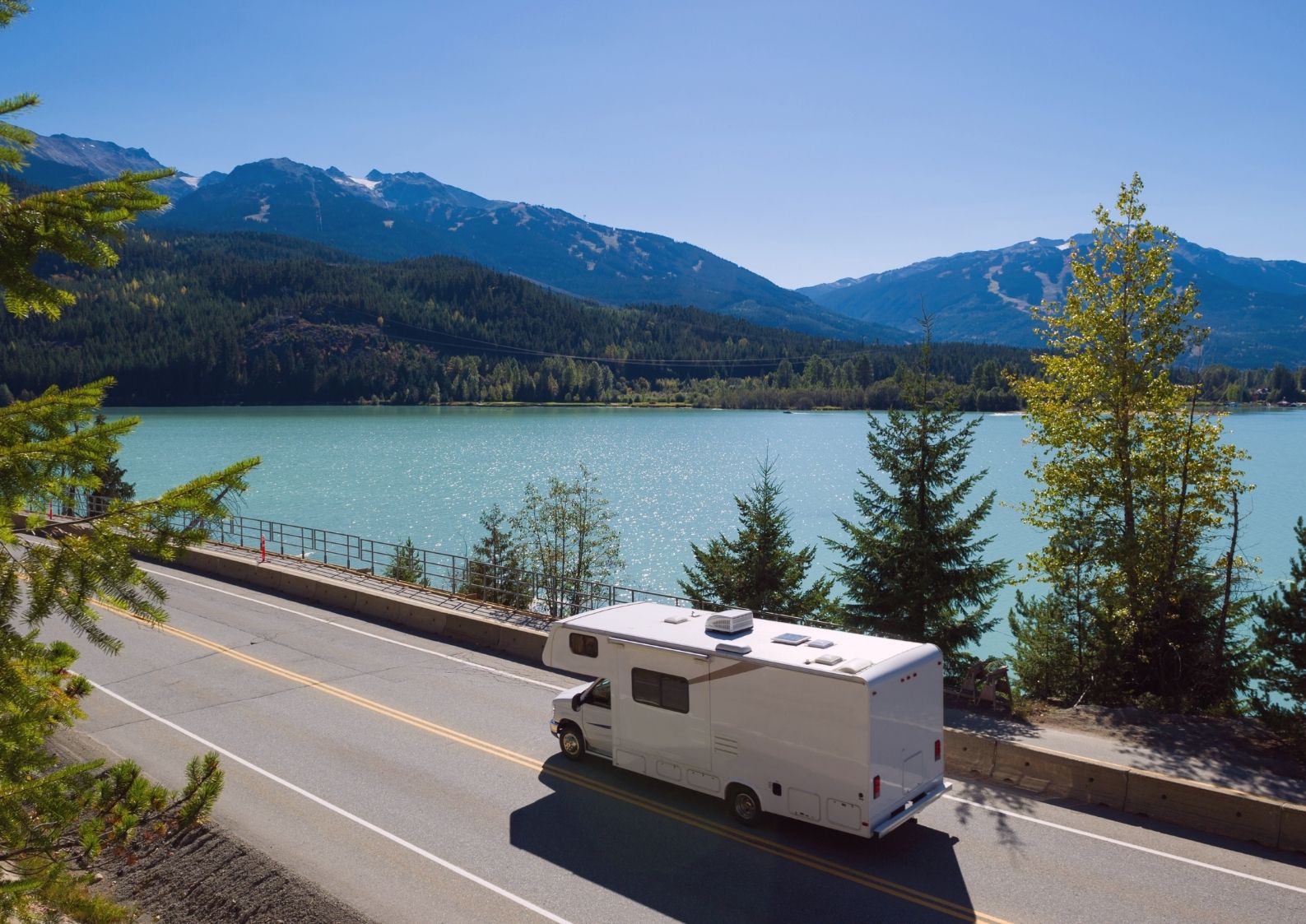

The best RV is not the one with the most features. It is the one that fits the way you actually travel. A weekend campground family, a full-time couple, a remote worker, a national park explorer, and a tailgating crew all need different things from an RV.
That is why shopping by floor plan alone can be risky. A layout may look perfect in a showroom and still feel wrong after a few trips. Before comparing brands, sizes, and prices, it helps to understand your travel style.
Start With Trip Length
Weekend trips and month-long trips place very different demands on an RV. For short trips, simplicity matters. You may care more about easy setup, quick loading, and a layout that gets you outside fast. A smaller travel trailer, Class B van, or compact Class C may be enough if most trips are two or three nights.
Longer trips usually require more storage, better sleeping comfort, a real kitchen, a workable bathroom, and enough interior space for bad weather days. The RV has to support daily life, not just camping. Be honest about how often you plan to travel. Buying for a fantasy version of your schedule can lead to an RV that is too big, too expensive, or too limited for the trips you actually take.
Decide How Much You Want To Drive
Some travellers love moving often. They want scenic routes, one-night stops, and the freedom to change plans. Others prefer to stay in one campground for a week and explore from a basecamp. Frequent movers usually benefit from smaller, easier-to-drive RVs. Class B vans, shorter Class C motorhomes, and compact trailers make quick stops and tight campgrounds less stressful.
Basecamp travellers can often justify more space. Larger travel trailers, fifth wheels, and bigger motorhomes may be comfortable if the RV stays parked for several days at a time. The right choice depends on whether the RV is primarily transportation, lodging, or both.
Match the RV to Your Camping Style
Do you expect full hookups, paved pads, and resort amenities, or do you want national forest sites, state parks, Harvest Hosts, and occasional boondocking?
If you rely on full hookups, tank size and battery capacity may matter less. If you want off-grid flexibility, water capacity, solar, batteries, generator options, ground clearance, and insulation become more important.
Families with kids may prioritise bunks, bathroom access, outdoor storage, and a dinette that works for meals and games. Couples may prefer a better bed, larger kitchen, or work area. Solo travellers may value manoeuvrability and low operating cost. Before you find my RV, make a short list of the places you actually want to stay. The campground list will tell you a lot about the RV that fits.
Think About Setup and Maintenance
Every RV requires work, with some requiring more than others. Towable RVs require a suitable tow vehicle, hitch setup, backing skills, and attention to payload and towing limits. Motorhomes simplify some towing decisions but add engine maintenance and may require a separate vehicle if you want local transportation after camp is set.
Slide-outs add space but also add systems to maintain. Larger rigs bring comfort but can increase storage, fuel, insurance, and campsite costs. Smaller rigs are easier to manage but may feel cramped on rainy days. None of these tradeoffs is wrong, but they need to match your tolerance for setup and upkeep.
Test the Daily Routine
Walk through a potential RV as if you are already using it:
- Can someone cook while another person sits at the dinette?
- Can people reach the bathroom at night? Is there a place for shoes by the door?
- Where do wet towels go? Can kids sleep while adults stay awake?
- Can you make coffee without converting a bed?
- Is there enough storage for food and clothes?
These small questions matter more than dramatic showroom features. RV ownership is built from routines. If the routines are easy, the RV gets used. If they are annoying, trips become less frequent.
Choose the RV That Makes Travel Easier
The right RV should reduce friction. It should make your preferred trips easier to take, not pressure you into a different travel style. A compact RV that encourages spontaneous weekends may be better than a large one that sits unused. A spacious fifth wheel may be perfect for long stays, even if it is not ideal for constant movement. A Class C may be the right balance for families who want sleeping space and manageable driving.
Good RV shopping starts with self-awareness. Know how you travel, where you want to camp, how much setup you will tolerate, and what comfort actually means to you. Once those answers are clear, the right category becomes much easier to spot.