
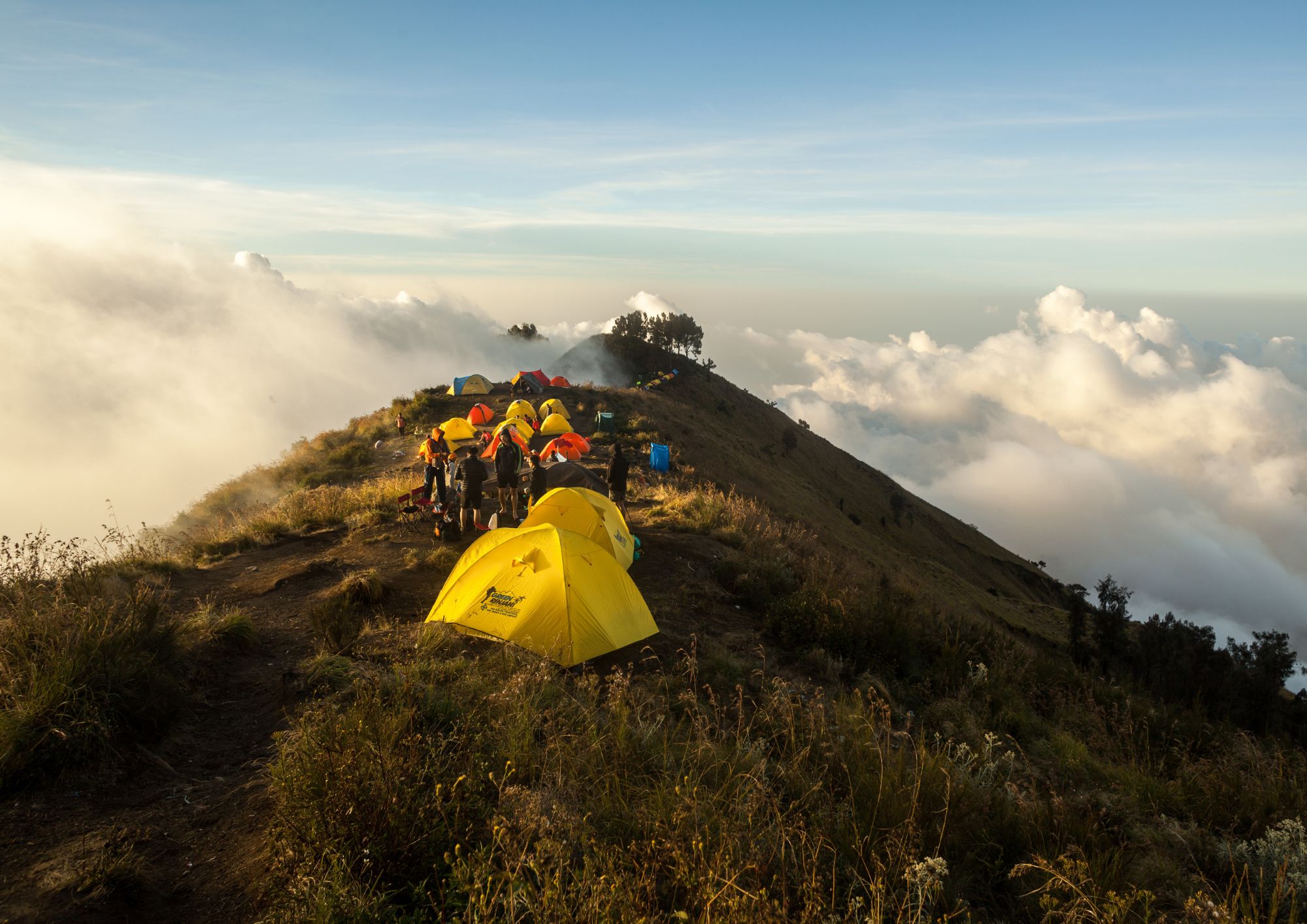

High-altitude destinations attract travellers seeking dramatic landscapes, cultural landmarks and trekking routes. Yet many visitors underestimate how quickly thinner air can influence sleep quality. Mountain regions above 8,000 feet present physiological challenges that affect breathing patterns, oxygen absorption and overall rest. Even travellers who feel energetic during the day may notice disrupted sleep once night falls.
Peru provides a clear example of this adjustment process. Cities such as Cusco sit well above the altitude threshold where the body begins to respond to reduced oxygen levels. Transport routes toward the Sacred Valley and Machu Picchu also involve elevation changes that can influence comfort and sleep continuity. Understanding these environmental factors helps visitors prepare realistically for mountain travel.
Why Sleep Changes at High Elevations
At higher elevations, each breath contains less available oxygen. The body compensates by increasing breathing speed and depth, which can disturb natural sleep rhythms. A common response known as periodic breathing involves alternating cycles of rapid inhalation followed by short pauses. This pattern can lead to repeated brief awakenings that fragment rest.
Sleep patterns may also change during the first nights at altitude. Deep restorative phases and REM sleep can decline temporarily while the respiratory system adjusts. This adaptation process varies between individuals, depending on factors such as fitness level, hydration, previous altitude exposure and overall travel pace. Travellers often rely on structured itineraries designed to manage elevation changes across the Andes, and organised Peru tour packages can help balance travel pacing with acclimatisation needs.
Physical Symptoms That Affect Nighttime Rest
Headaches represent one of the most frequently reported altitude-related sleep disruptions. Reduced oxygen availability causes mild expansion of blood vessels in the brain, creating pressure sensations that intensify when lying still. This discomfort may interfere with falling asleep or maintaining consistent rest cycles.
Increased nighttime urination can also disturb sleep continuity. During acclimatisation, the kidneys adjust fluid balance to support more efficient oxygen transport. While this response benefits overall adaptation, it can lead to multiple awakenings. Elevated heart rate during sleep may further limit the body’s ability to reach deeper restorative stages.
Some travellers notice mild nausea or dizziness when sleep quality declines. Breathlessness while lying flat is another typical experience. Sleeping with the upper body slightly elevated using additional pillows often provides practical relief during the first days at altitude.
When Symptoms Signal Serious Altitude Illness
Most altitude-related sleep issues remain temporary and manageable. However, travellers should stay alert to warning signs that suggest more severe medical conditions. A strong headache that does not improve with standard pain relief, ongoing confusion, unusual fatigue or difficulty maintaining balance may indicate high-altitude cerebral oedema. This condition requires immediate descent to a lower elevation and prompt medical evaluation. Ignoring early symptoms can increase the risk of serious complications in remote mountain environments.
Breathing changes can also signal escalating risk. A persistent cough that produces pink or frothy mucus may suggest fluid accumulation in the lungs, often associated with high-altitude pulmonary oedema symptoms that require urgent medical attention. Shortness of breath at rest, chest tightness or a noticeable drop in physical performance during simple activities are additional indicators that demand immediate descent.
Preparation before departure plays an important role in recognising these symptoms early. Reviewing trusted medical guidance and understanding emergency response options in mountain regions helps travellers react calmly if problems arise. Carrying basic medication, allowing time for gradual acclimatisation and informing travel companions about potential warning signs can improve safety. Awareness and timely action remain key factors in preventing altitude illness from disrupting both health and travel plans.
Evidence-Based Strategies for Better Sleep at Altitude
Gradual ascent remains the most effective method for reducing sleep disruption. Spending additional nights at intermediate elevations allows the respiratory system to stabilise breathing patterns before reaching higher destinations. This staged approach supports natural adaptation and reflects how the altitude acclimatisation process develops over several days rather than hours.
Hydration also contributes to improved altitude tolerance. Consuming adequate water helps maintain blood volume and supports oxygen delivery to tissues. Dehydration can intensify headaches and increase fatigue, making restful sleep harder to achieve. Balanced evening meals that include carbohydrates may assist metabolic adjustment during the early stages of acclimatisation.
Alcohol and sedative medications should be avoided because they suppress breathing during sleep. In certain situations, medical professionals may recommend acetazolamide to regulate respiratory rhythm overnight. Travellers should always consult a healthcare provider before using prescription medication at altitude.
Timing Your Ascent for Optimal Adaptation
Altitude medicine specialists frequently recommend a strategy known as “climb high, sleep low”. This method involves spending daytime hours at higher elevations while returning to lower altitudes for overnight rest. Limiting prolonged exposure to thinner air during sleep helps the body stabilise breathing patterns and supports more consistent recovery between travel days. Gradual exposure allows physiological adaptation to occur in stages rather than under sudden stress.
In Peru, travellers often organise daytime excursions to elevated viewpoints, trekking routes or archaeological landmarks before returning to accommodation at lower elevations in the evening. This approach reduces strain on sleep cycles and lowers the likelihood of altitude illness developing during the first days of travel. Structured pacing and planned rest periods help travellers manage exposure to elevation changes and better understand common acute mountain sickness risk factors that influence how the body responds during ascent.
Spending one or two nights at moderate elevations before moving above 10,000 feet can make a noticeable difference in how the body responds. Allowing time for adjustment not only supports safer acclimatisation but also helps maintain energy levels for daily activities. Careful ascent timing, therefore, becomes a practical element of travel planning in mountainous destinations, contributing to a smoother and more enjoyable experience throughout the journey.
Sleep Environment Adjustments for Mountain Destinations
Environmental factors play an important role in supporting sleep quality at altitude. Increased metabolic effort can slightly raise body temperature, making cooler room conditions beneficial for maintaining consistent rest. Lower ambient temperature supports the body’s natural sleep cycle and helps prevent overheating.
Sleeping at a gentle incline, typically between 30 and 45 degrees, can ease breathing discomfort. This position reduces fluid pressure in the upper body and may limit sensations of breathlessness when lying flat. High-altitude air is often extremely dry, which can irritate the throat and nasal passages during the night. This discomfort may contribute to dry air sleep disruption, especially in unfamiliar mountain environments where the body is already adjusting to reduced oxygen levels.
Preparation and gradual adaptation play a central role in maintaining sleep quality at altitude. Travellers who pace their ascent, monitor physical responses and adjust their sleeping environment often experience mountain destinations with greater comfort and confidence. Thoughtful planning allows the focus to remain on exploration rather than recovery.