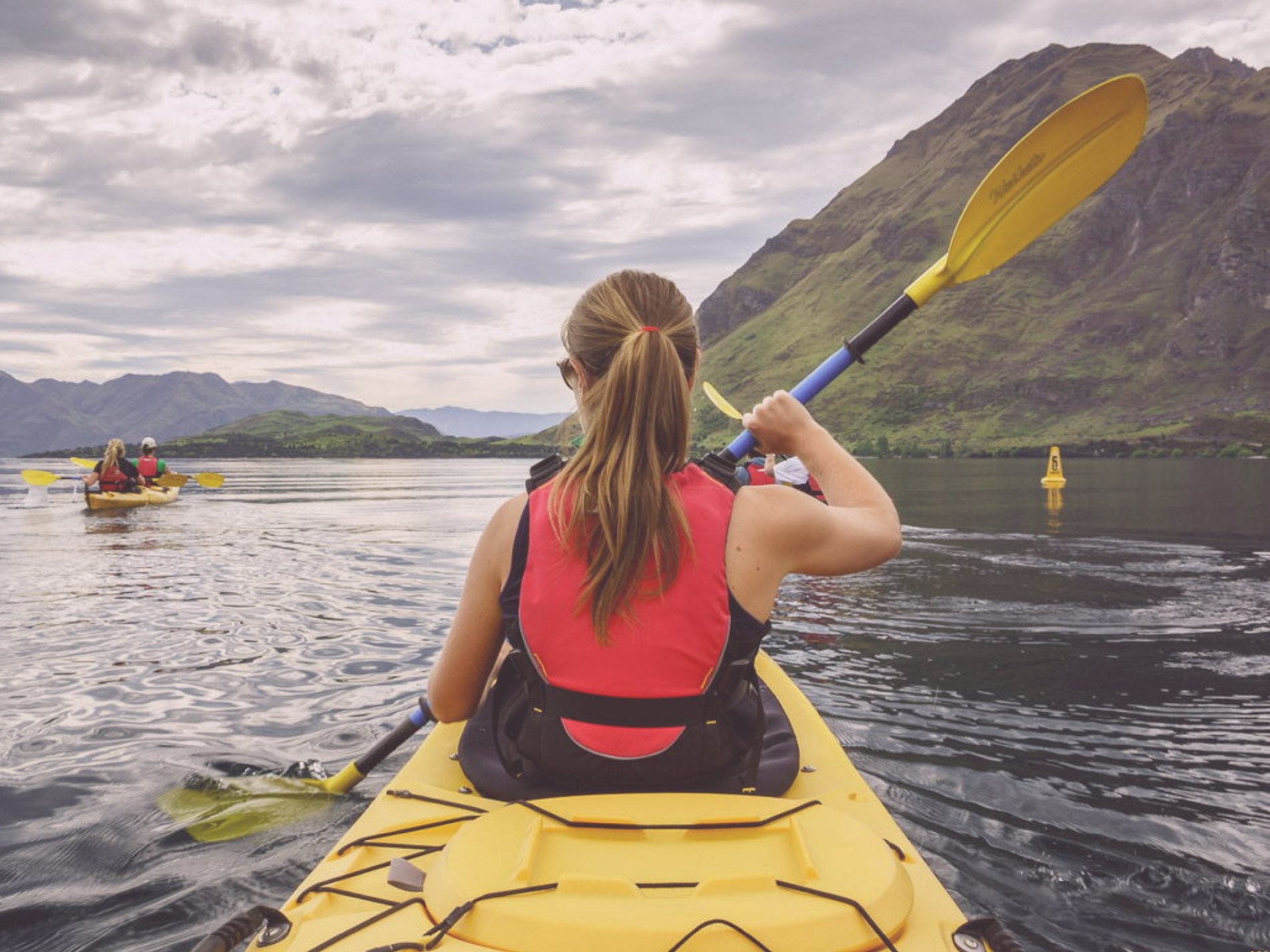
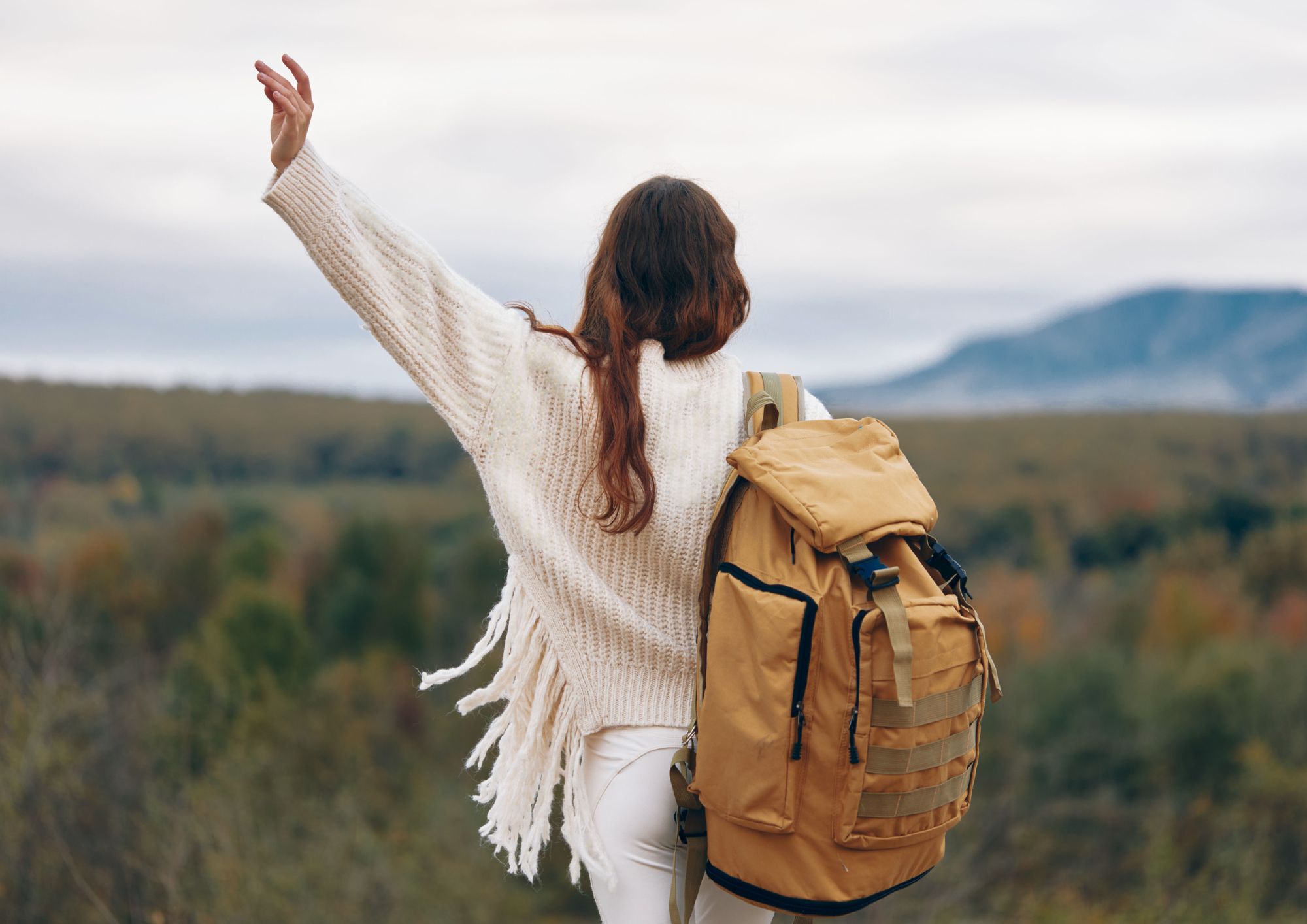

A hiking trip can trigger a worry loop: a storm rolls in, the route changes, or a buckle snaps. To quiet that uncertainty, many travellers add gear until the bag feels like a safety net.
That urge is often less about realism and more about control, which is why overpacking shows up even on short getaways. Research-informed commentary suggests that overpacking is driven by anxiety and loss of control. Packing pressure is widely reported, too. A survey frequently cited in travel coverage suggests close to 70% of Americans say packing creates significant travel stress, especially when they try to anticipate every possible scenario.
The default solution becomes “just in case” duplication: another base layer, a second charger, extra toiletries, and backup footwear. Someone might toss in runners like Altra without knowing if they will ever leave the hotel.
For hiking, biking, paddling, or long walking days, weight does more than irritate shoulders. It slows transitions, makes stairs and transit clumsy, and chips away at agility when conditions get unpredictable.
Planning active adventures without overpacking starts when travellers notice what they are really trying to prevent. From there, a packing list can reflect actual conditions and a plan for washing, rewearing, and sharing essentials. A lighter load frees attention for the experience itself, and that awareness makes changing the habit feel possible.
Why Active Travellers Overpack (And How It Holds You Back)
The psychology behind overpacking runs deeper than simple disorganisation. Most travellers pack from fear rather than from a realistic assessment of what they will actually use. That fear manifests as duplicate items, speciality gear for unlikely scenarios, and clothing options for every possible weather pattern.
Active adventures amplify this tendency because the stakes feel higher. A wrong shoe choice on a mountain trail seems more consequential than a wrong shirt at a resort. However, the irony is that active travel demands exactly the opposite approach. Mobility and agility require streamlined loads, not comprehensive backup systems.
Heavy bags create a cascade of problems that undermine the very experiences travellers are chasing. Transitions between activities slow down, public transit becomes a wrestling match, and fatigue sets in before the adventure even begins. Understanding this pattern is the first step toward breaking it.
The solution starts with recognising that preparation and overpacking are not the same thing. Smart preparation means choosing versatile items that serve multiple purposes, while overpacking means duplicating functions out of anxiety. Once travellers see the difference, building a leaner packing list becomes much easier.
The 5-4-3-2-1 Packing Rule for Active Trips
Packing light gets easier when the numbers decide first. The 5-4-3-2-1 rule gives a firm ceiling that prevents overpacking while still leaving room for weather swings and dirty days. It also maps well to carry-on luggage, where volume and weight penalties show up fast.
- 5 tops: Aim for versatile clothing such as two quick-dry tees, one long-sleeve sun layer, one insulating midlayer, and one sleep top that can double as a spare.
- 4 bottoms: Two activity options (shorts and tights), one casual pair, and one warmer or rain-friendly pair.
- 3 accessories: Pick small items that extend outfits, for example, a buff, lightweight gloves, and a compact headlamp.
- 2 shoes: One primary pair for movement plus one recovery or shower option that packs flat.
- 1 hat: Choose sun protection or warmth based on the forecast, not both.
The constraint is the feature. When each slot has a job, decisions become faster, outfits mix better, and a single rinse-and-dry plan replaces extra duplicates.
For active days, fabrics matter more than quantity. Quick-dry synthetics or merino reduce odour, and one shell covers wind and rain. Fold everything into one cube to keep space for snacks, maps, and chargers.
Using the 3-3-3 Method for Mix-and-Match Versatility
When a trip includes climbing, trail time, and dinners, a tighter capsule wardrobe can feel more realistic than a long checklist. The 3-3-3 method keeps options high while keeping the bag calm and intentional.
- Three bottoms: One primary activity piece, one alternate (shorts or tights), and one casual or travel pair.
- Three tops: Two sweat-ready basics plus one warmer long sleeve.
- Three layers or accessories: A packable shell, an insulating layer, and one small extender such as a buff or cap.
This approach works best with a neutral palette that shares the same base tones, such as black, navy, grey, tan, or olive. When every top pairs with every bottom, nine pieces create at least nine outfits, and layers multiply those combinations for weather and style changes.
To avoid gaps, each piece should earn its spot with quick-dry fabric, minimal branding, and function-first details that repeat easily across days outside. For multi-activity trips, the goal is versatile clothing that shifts roles. A sun hoodie can hike, paddle, and ride transit, while the shell handles wind, drizzle, and a chilly evening walk.
Selecting Gear Based on Your Planned Activities
Start With Your Activity List
Active travel packing goes sideways when the bag gets packed first, and the itinerary gets filled later. Before a single item lands on the bed, write every planned activity, including transit days and “maybe” side trips, then circle what is most likely.
A simple packing list works best when it is built from needs, not fears. For each activity, note the conditions that change gear choices: time on feet, water exposure, temperature swings, and whether safety items are required. Travellers heading into remote terrain can also cross-check wilderness preparation tips to spot essentials they might otherwise forget.
To keep overpacking from creeping back in, assign each activity a minimal kit: a clothing system (base, mid, and shell), footwear or contact gear, one safety or navigation item, and one small comfort item. That kit becomes the baseline, and duplicates need a reason. If laundry is possible, travellers can plan rewears instead of spares.
Identify Crossover Pieces
Once activities are listed, the fastest way to pack lighter is to hunt for crossover pieces. Priority usually goes to items that work across two or more blocks, such as trail shoes that handle city miles, a sun hoodie that doubles as evening layers, or swim shorts that double as casual wear.
Single-use speciality gear should justify its bulk. When an item only supports one short session, rentals often make more sense for helmets, wetsuits, skis, or bikes, especially when storage and transport add friction. This crossover thinking connects directly to the capsule methods discussed earlier, reinforcing how fewer items can serve more purposes.
Packing Hacks That Actually Save Space
Space disappears fastest when small items float loose. Travellers get more room by grouping clothing and gear so every corner of the bag has a purpose, not a pile. These packing hacks focus on what actually compresses and what needs better structure. For more ideas that fit short, active trips, their logic aligns with smart packing strategies.
- Use packing cubes to sort by activity and day, then slide them into the bag like bricks.
- Add compression bags for puffy layers, but keep one uncompressed cube for items needed midflight.
- Roll knits, tees, and leggings; fold stiffer fabrics like button-ups, shells, and maps so they do not crease or crack.
- Plan bulky items on the plane by wearing the boots, jacket, or midlayer that would otherwise consume half a cube.
- Rely on laundry while travelling: a sink wash or laundromat cycle lets two base layers cover a week.
A routine keeps the system working. Each night, air out damp gear and reset tomorrow’s outfit. Washing early gives time to dry before transit.
Before zipping up, confirm airline requirements for carry-on size, weight limits, and any rules around trekking poles or liquids. That quick check prevents last-minute reshuffles that undo careful compression.
Pack Light, Move Free
A lighter bag keeps effort where it belongs: on the trail, the climb, or the long walk back to town. When overpacking disappears, travellers spend less time wrestling zippers and more time noticing weather, terrain, and good detours. Carry-on luggage also forces smarter choices, which often means faster transfers and fewer aches at day’s end.
Constraints create freedom on active trips. Start with one simple framework and improve it after each outing. Pack for the conditions, then remove one “just in case” item. Choose crossover pieces that work across activities and evenings. Track what stayed unused, and adjust the next list rather than the current trip. With each iteration, packing gets lighter, and the adventure feels bigger.