

For people who love to travel, the appeal is rarely just the destination. It is the atmosphere. Evenings gathered around a beach bonfire in California, where the air cools as the sun drops into the ocean. Desert nights in Texas, where the sky stretches endlessly overhead and the fire becomes a quiet centre point. Mountain cabins where conversation lingers long after dark, held together by warmth and light. These moments stay with you not because of where you were, but because of how they felt.
Back home, many homeowners look for ways to recreate that same sense of ease and connection in their own outdoor spaces. A well-placed table invites people to sit. Lighting softens the edges of a garden. But it is often fire that changes the atmosphere entirely. It introduces movement, warmth, and a natural focal point that draws people in. The question is not just whether to add a fire feature, but whether it can genuinely reshape how a space is used.
What makes custom fire pits different from portable options?
A simple metal fire bowl can provide heat and a flicker of light. It serves a purpose, but it often feels temporary—something brought out for occasional use rather than built into the rhythm of the space. Smoke can drift unpredictably, seating remains loosely arranged, and the fire itself sits slightly apart from the overall design.
By contrast, custom fire pits are considered as part of the landscape from the outset. They are not added on, but designed in. Their shape, scale, and placement are tailored to the space and how it is used. A circular stone fire pit encourages people to gather closely, naturally creating a sense of conversation and connection. A long, linear gas fire feature can define a modern terrace, subtly dividing areas for dining and relaxation.
Materials play an important role in how the space feels. Natural stone introduces texture and weight, often echoing the landscapes that inspire travel in the first place. Concrete and rendered finishes offer a more contemporary, architectural quality. Over time, these materials weather and settle into their surroundings, becoming part of the garden rather than standing apart from it.
Fuel type also shapes the experience. Wood-burning fires bring with them the familiar crackle and scent that many people associate with outdoor living. Gas systems, on the other hand, offer a cleaner, more controllable flame, making them easier to use regularly. The choice is often less about right or wrong and more about how the space will be used.
Placement is equally considered. A fire pit set too close to a house can trap smoke or feel confined, while one positioned too far away can lose its sense of intimacy. Thoughtful design takes into account wind direction, circulation through the space, and how people will naturally gather. This is where the difference between a temporary feature and a lasting one becomes clear.
How does a fire pit reshape social dynamics?
Travel often centres around shared experiences. Meals that stretch into the evening. Conversations that unfold without urgency. A sense of time slowing, even briefly. Bringing a fire element into a garden can recreate some of that dynamic at home.
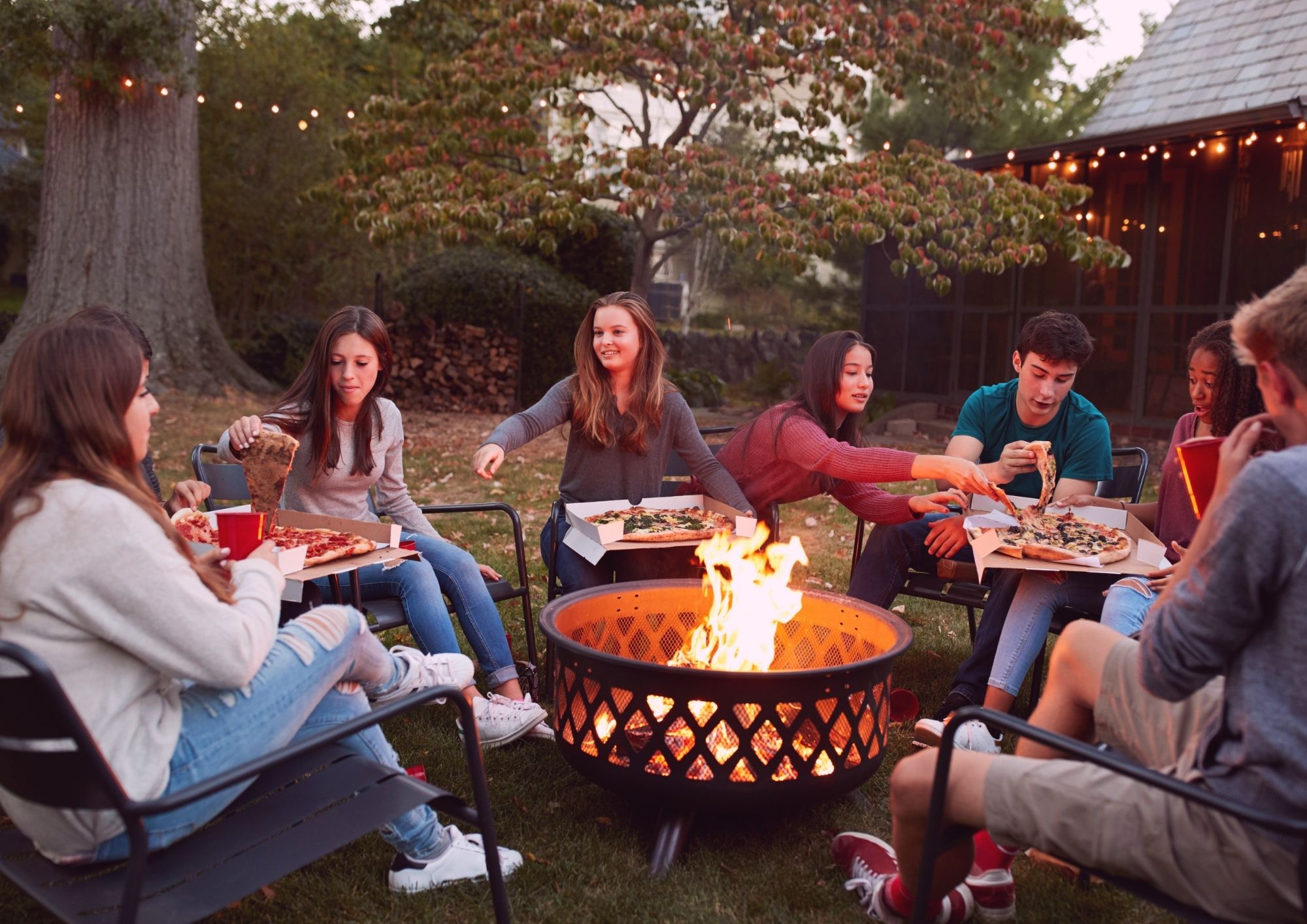
A fire pit changes how people gather. It encourages a more informal, inward-facing arrangement, where everyone shares the same focal point. Conversations tend to feel more natural. Without the distraction of screens or structured seating, people settle into the rhythm of the space. The warmth draws them in, while the movement of the flames holds attention in a quiet, understated way.
Even in warmer climates, the presence of a fire extends the usability of an outdoor space. Cooler evenings become more inviting. Layers are added, drinks linger a little longer, and the transition from day to night feels more gradual. For families, this often creates small rituals—roasting marshmallows, sharing stories, or simply spending more time outside together. Teenagers who might otherwise drift indoors stay a little longer. Guests feel less inclined to leave.
For homeowners considering how to bring this into their own space, working with a custom fire pit builder can help translate these lifestyle ideas into something practical. A builder will look at how the space is currently used, how it might evolve, and how the fire feature can sit naturally within it. Considerations such as seating, materials, and fuel type are brought together to create something cohesive rather than decorative.
What should you consider before building one?
As with any permanent addition to a garden, there are practical considerations to address early on. Local regulations can vary, particularly when it comes to wood-burning features. Some areas may have restrictions or require permits, while gas installations often need to meet specific safety standards. Understanding these requirements from the outset helps avoid unnecessary delays.
The size and layout of the space also play a role. A fire pit should feel proportionate—large enough to create presence, but not so dominant that it overwhelms the garden. Its position should allow for comfortable seating while maintaining clear pathways and safe distances from surrounding structures.
Material choice should reflect both aesthetic preference and durability. Outdoor features are exposed to the elements, so selecting materials that age well and require minimal maintenance will ensure the space continues to feel considered over time. Similarly, thinking about how the fire pit integrates with existing paving, planting, and furniture helps create a more unified result.
Finally, it is worth considering how often the feature will be used. A well-designed fire pit should feel like a natural extension of the home—something that invites regular use rather than occasional novelty. When approached thoughtfully, it becomes less about adding a feature and more about shaping how the space is experienced.
A space that lingers
In the end, the appeal of fire is not just practical. It is atmospheric. It creates a point around which people gather, pause, and connect. Much like the moments remembered from travel, it is less about the setting itself and more about the feeling it creates.
Bringing that into a backyard does not require replicating a specific place. It is about capturing something more subtle—the warmth, the stillness, the sense of time stretching just a little longer. With carefully considered custom fire pits and the guidance of an experienced custom fire pit builder, an outdoor space can begin to offer something similar: a place that people return to, not out of habit, but because of how it feels.