
A Mediterranean coastline can look flawless in a photograph and feel entirely wrong once you arrive. That crescent of bright water may hide a steep scramble to the shore, while the romantic waterfront hotel might face a breezy stretch that suits sailing far better than idle swimming. For couples, the choice gets trickier when one person wants movement, and the other wants a book and some shade. So before you choose a hotel, read the coast around it as closely as you’d read the room reviews.
Start with the shape of the shore
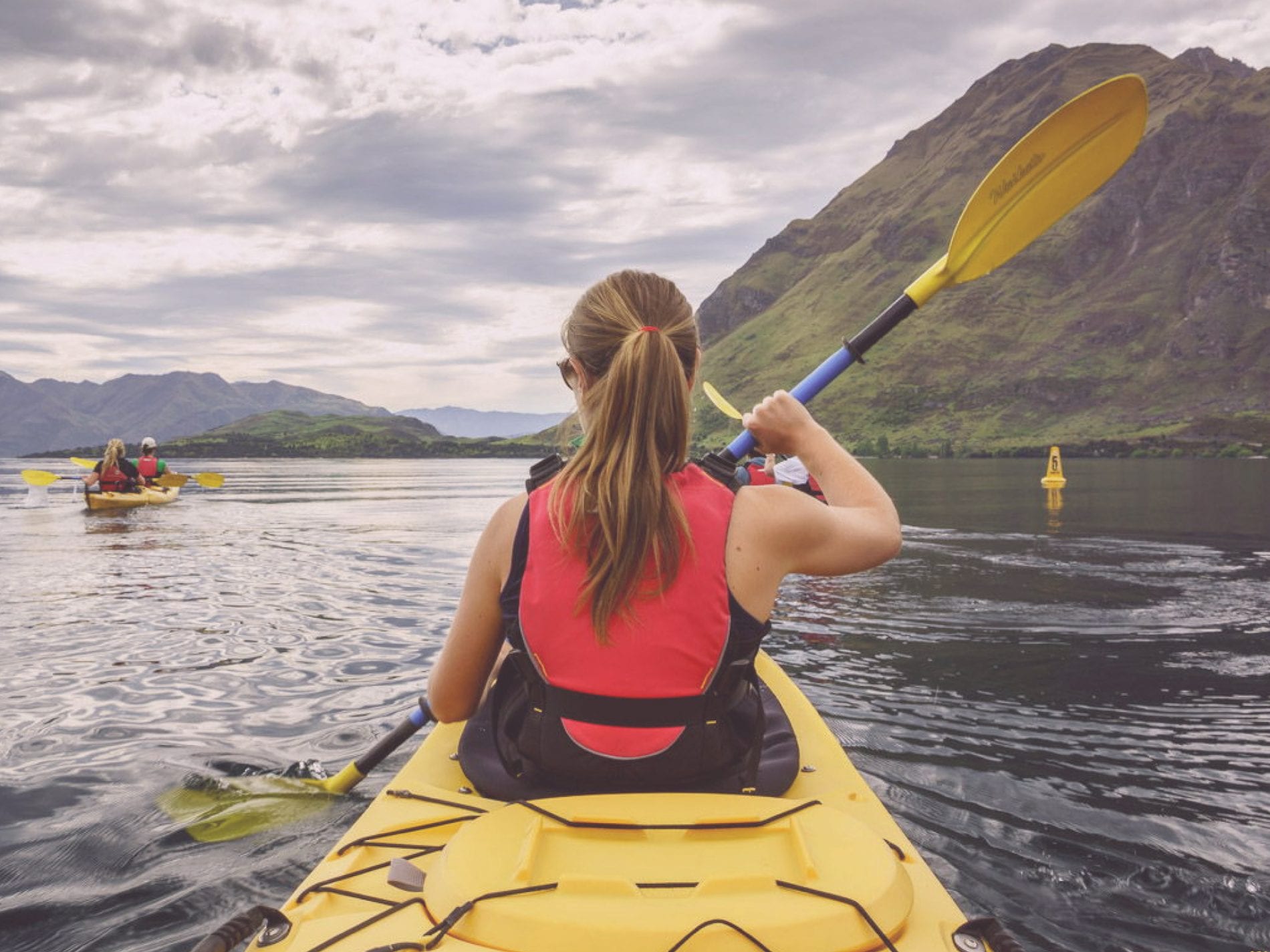
Zoom out on a satellite map before you focus on individual beaches. A deep bay, headland or island just offshore can interrupt wind and swell, while a long open coast receives the sea more directly. That doesn’t make one better. If you’re planning an active Mediterranean beach holiday, a lively breeze may suit windsurfing and dinghy sailing, whereas a tucked-away inlet will often appeal more to swimmers and paddleboarders.
Greece shows the contrast especially clearly. My account of sailing through the Cyclades and adapting to the Meltemi moves between sheltered bays and open Aegean water, where the same wind changes the experience. If you want to go even more in-depth, a useful final check compares the coast’s orientation with local wind patterns for the month you’ll travel, rather than trusting a destination-wide sunshine icon.
Work out what beach access really means
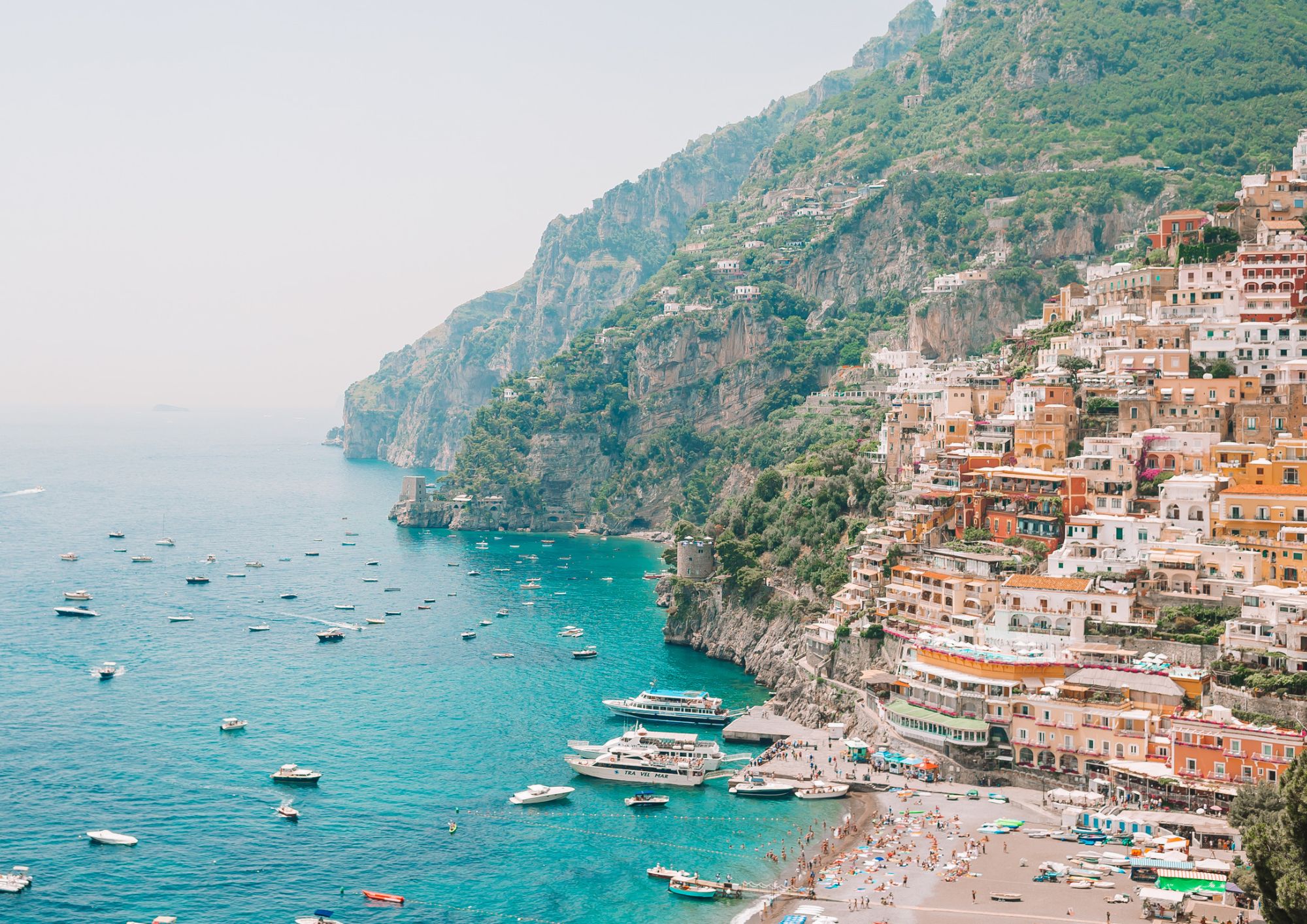
The word “beachfront” tells you very little about how you’ll reach the water, so switch from satellite view to street view and trace the route from the accommodation entrance to the shore for the final footpath. Surface matters too. Sand encourages lingering but follows you home in every bag; smooth pebbles can keep the water looking clear, yet swimming shoes may make entry more comfortable; flat rock platforms offer direct access but little space for sprawling out.
The current Blue Flag criteria for beaches cover bathing-water quality, safety, services and accessible facilities, so the award can help you judge management without describing the texture beneath your towel. Search recent visitor photographs as well as polished hotel images, paying particular attention to the waterline.
Trace the coastline beyond your sunlounger
Even the most beautiful bay can feel limiting after two days if every outing starts with an expensive taxi. Following the coast in both directions on a map reveals whether you can walk into a village for dinner, hire a bike, catch a local boat or reach a marked trail without crossing a busy main road.
Croatia’s folded Adriatic edge rewards this homework because bays that look close together may sit apart on land, but my journey through Croatia’s rocky coves and historic island ports captures how sheltered water, old towns and coastal paths can still belong to the same trip, if you’d like a follow-up read.
Choose the trade-off you’ll both enjoy
Couples don’t need identical plans, but the coastline should still let both people enjoy the same base. One of you might want a morning sailing lesson while the other prefers a sheltered swim followed by coffee in town. A coast with an activity beach on one side of a headland and a calmer cove within walking distance can solve that well. Elsewhere, a resort-style base may make time on the water easy but leave you dependent on transport for dinner; a harbour town can offer evening atmosphere yet require a bus to the best swimming. Write down how each of you imagines an ordinary day, then compare those routines with the map. If the practical version works, including shade, lunch and the return journey, you’ve probably found a useful base.