
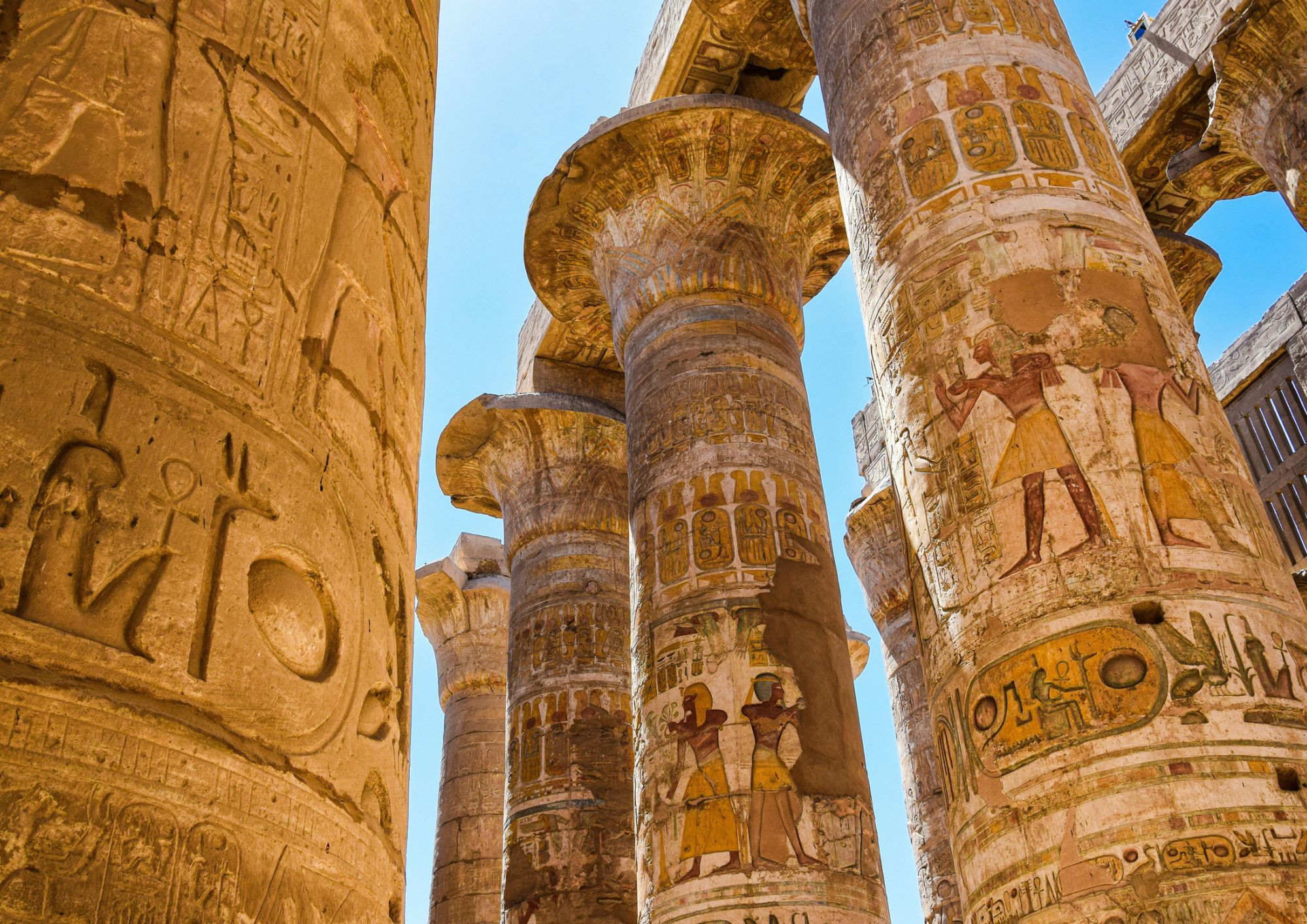

Planning an Egypt trip often starts with the Pyramids of Giza, the Egyptian Museum, and the ancient temples of Luxor. These attractions deserve their reputation, but they represent only part of what the country offers. Beyond the major tourist centres, travellers can explore Nubian communities, desert landscapes, coastal destinations and archaeological sites that receive less attention. Including these places creates a more varied experience of Egypt’s history, culture and natural environment.
The challenge is deciding where to go without spending most of the trip travelling between destinations. Egypt covers a large geographical area, and reaching certain locations requires additional transportation arrangements. A well-planned itinerary should group nearby attractions, account for travel distances, and leave enough time to explore each region. Here are several ways to experience more of Egypt beyond the usual Cairo and Luxor itinerary.
Discover Aswan and the Culture of Southern Egypt
Aswan is one of the best destinations for travellers interested in exploring southern Egypt and its Nubian heritage. Located along the Nile, the city has a more relaxed atmosphere than Cairo and provides access to important archaeological sites. Philae Temple, dedicated primarily to the goddess Isis, stands on Agilkia Island and is reached by boat. Elephantine Island and the Nubian Museum also offer opportunities to learn about the region’s history and cultural traditions.
Spending two or three days in Aswan allows visitors to explore these attractions without rushing. Local markets, traditional villages, and riverside areas provide a different perspective from the monumental temples found farther north. Travellers can also arrange an excursion to Abu Simbel, approximately 280 kilometres south of Aswan, where two remarkable rock-cut temples overlook Lake Nasser. Since the journey requires several hours each way, it is important to plan transportation and departure times in advance.
Explore the Nile Valley Beyond the Famous Temples
The Nile Valley contains smaller archaeological sites that deserve attention alongside Egypt’s most famous monuments. Between Luxor and Aswan, places such as Edfu, Kom Ombo and Gebel el-Silsila reveal different aspects of ancient Egyptian religion, architecture and daily life. Edfu is known for its exceptionally well-preserved Temple of Horus, while Kom Ombo features an unusual double temple dedicated to two principal deities. Gebel el-Silsila offers insight into the sandstone quarries that supplied building materials for ancient monuments.
Travellers interested in exploring these locations can consider a Dahabiya Nile cruise, which uses a traditional-style sailing vessel to navigate sections of the river. These smaller boats operate on routes between Esna and Aswan, with selected itineraries visiting sites such as El Kab and Gebel el-Silsila. Compared with conventional large cruise ships, the experience emphasises slower travel and smaller stops. Routes and excursions vary between operators, so it’s important to check the complete itinerary before booking.
Exploring the Nile Valley also introduces visitors to agricultural communities that have developed along the river for centuries. Palm groves, cultivated fields and small settlements create a landscape very different from Egypt’s major cities. Travelling through these areas provides a better understanding of the Nile’s importance to local communities and the country’s history.
Experience Egypt’s Desert Landscapes
Egypt’s deserts offer landscapes that contrast sharply with the fertile Nile Valley. The White Desert is known for its pale limestone formations, shaped by erosion into distinctive natural structures. Nearby, the Black Desert features dark volcanic hills and rocky terrain. These locations are especially appealing to travellers interested in geology, landscape photography and outdoor exploration.
Desert excursions require more preparation than conventional city sightseeing. Travellers should use appropriately licensed operators, confirm permit requirements and check current government travel advisories before arranging a visit. Certain Western Desert areas have security restrictions, and remote locations have limited medical facilities and mobile coverage. Organised excursions should include suitable vehicles, experienced guides, sufficient drinking water and appropriate safety arrangements.
Add Coastal Experiences to Your Itinerary
Egypt’s Red Sea coast offers opportunities for snorkelling, diving and exploring marine environments. Destinations such as Hurghada and Marsa Alam provide access to coral reefs, sandy beaches and organised boat excursions. These coastal areas create a useful contrast to the archaeological attractions of Cairo and Upper Egypt. Travellers who enjoy outdoor activities can combine several days of historical sightseeing with time spent exploring the coast.
Marsa Alam is particularly attractive to visitors interested in marine life and less urbanised coastal surroundings. Snorkelling and diving excursions provide opportunities to observe reef fish and other species in their natural habitats. Choosing responsible operators who follow marine conservation practices helps protect fragile underwater ecosystems. Adding three or four days on the Red Sea also gives travellers time to rest after visiting Egypt’s inland destinations.
Build an Itinerary Around Geography and Travel Time
A practical Egypt itinerary should organise destinations by region to avoid unnecessary travel. For a two-week visit, travellers can spend three days in Cairo, three days in Luxor and another three days exploring Aswan and nearby attractions. The remaining days can be allocated to a Red Sea destination or additional stops along the Nile. This structure provides a balance between historical attractions, cultural experiences and outdoor activities.
Transportation choices depend on the destinations included. Domestic flights connect major cities, while trains provide connections along the Nile Valley. Private transfers are useful for visiting selected archaeological sites between Luxor and Aswan, although travel times increase when several stops are included. Desert excursions require separate arrangements, and coastal destinations should be selected with the overall route in mind.
Seasonal weather also affects the experience. October through April generally offers more comfortable conditions for exploring archaeological sites, particularly in southern Egypt. Summer temperatures can become extremely high in Luxor and Aswan, making early sightseeing and regular breaks essential. Checking weather conditions and travel advisories before departure helps visitors prepare appropriately.
See More of Egypt Without Rushing
Exploring Egypt beyond Cairo and Luxor lets travellers experience a wider range of landscapes, communities, and historical attractions. Aswan introduces Nubian culture, the Nile Valley offers lesser-known archaeological sites, and the Red Sea provides opportunities for marine exploration. Each region adds something different to the journey, making the overall experience more varied.
The most effective approach is to choose destinations that match personal interests and fit naturally into the available travel time. Visiting fewer places with enough time to explore them provides a better experience than filling every day with long transfers. With careful planning, an Egypt trip can extend well beyond its famous monuments while remaining practical, enjoyable and rewarding.