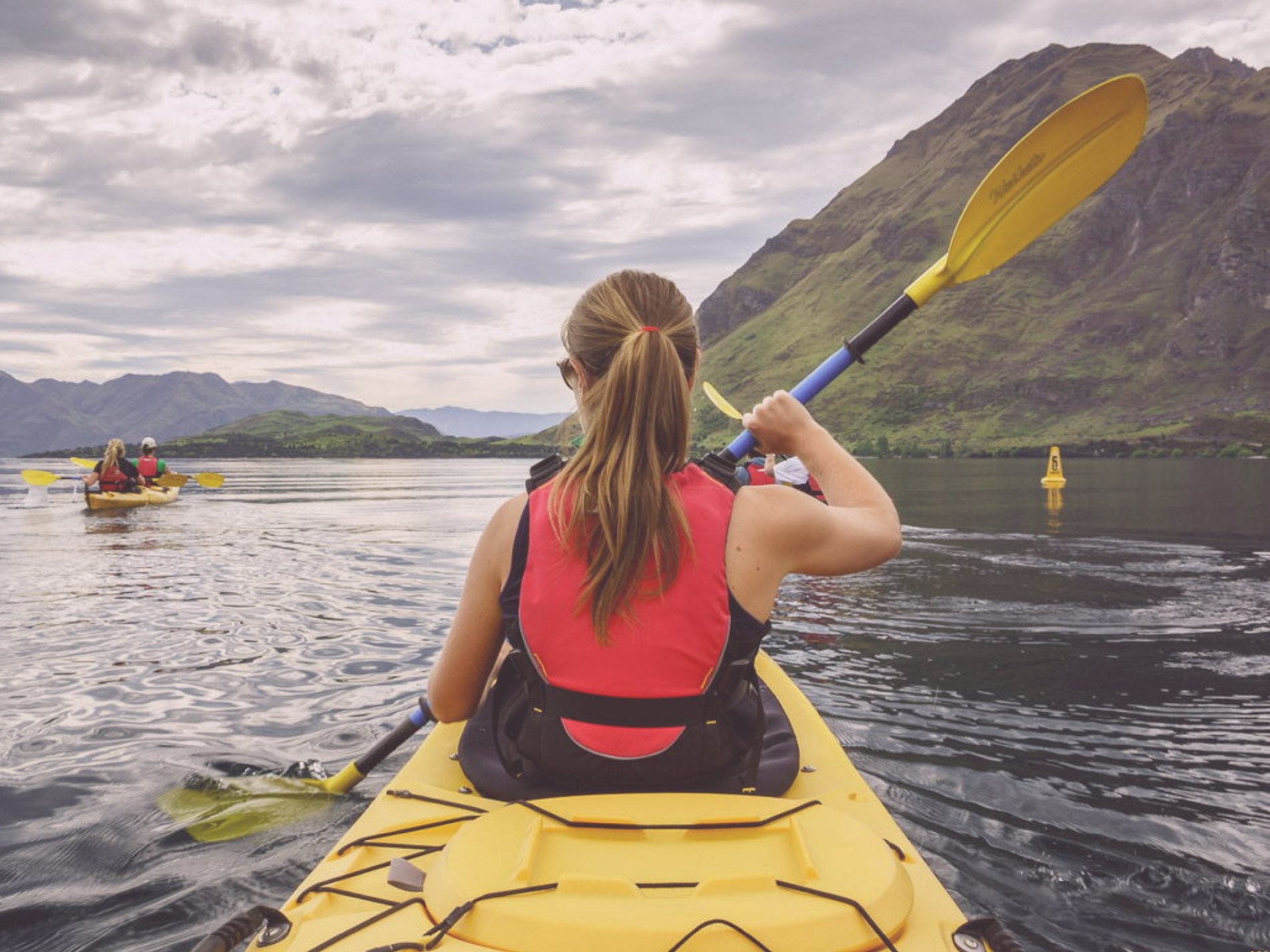


Solo travel is something that growing numbers of Americans are indulging in. We’re increasingly willing to forgo the company of others in order to enjoy that little bit of extra freedom and flexibility. If you want to visit a particular city, take on a physical challenge in the wilderness, or tour a particular coastline, then you needn’t find another friend or family member with the same inclination. You can simply head out and do it.
On the other hand, solo travel does introduce a few extra risks. You won’t have the security that comes with having other people travelling alongside you. So, how can you mitigate these risks?
Share Your Plans
When other people know where you’re going and what you intend to do when you get there, you’ll know that you can be found when you go missing. This applies when you’re heading out into the Australian Outback, or the Amazon jungle, but it’s just as relevant if you’re heading to a new city. Tell someone where you’re going, and check in regularly as your journey progresses.
A simple habit, a message to a friend or family member each evening with your rough location and next move, does more for your safety than almost anything else on this list. If you’re travelling somewhere with patchy signal, agree on a check-in schedule before you set off, and decide together what happens if you miss one. It’s also worth telling your accommodation roughly when you expect to be back each day; in many parts of the world, that kind of casual local knowledge is what closes the gap between a delay and a genuine search.
Stay Aware of Your Surroundings
It’s worth exercising a little bit of common sense during your travels. Stick to well-lit, reputable areas. Try to abide by local rules and customs, and to avoid causing unnecessary offence. Generally speaking, it’s worth trusting your instincts. If you find yourself in an uncomfortable situation, remove yourself from it.
Awareness improves with practice. Before you arrive somewhere new, spend twenty minutes learning its shape: which neighbourhoods locals recommend after dark, where the nearest hospital sits relative to where you’re staying, what the rhythm of the streets looks like. Once you’re there, keep your phone in your bag more often than in your hand; a traveller squinting at a map on a busy corner is a more obvious target than one who’s simply walking with purpose. Dress with a nod to local norms rather than tourist habit, and keep half an eye on the exits wherever you are, not out of paranoia, but because it costs nothing to notice.
Trust your gut, too, even when you can’t explain why something feels off. If a street feels wrong, if someone’s overly insistent friendliness sets off a small alarm, act on the feeling first and rationalise it later.
Protect Your Valuables
When you carry your valuables with you, you make yourself a target. Don’t flash expensive jewellery and wristwatches on public transport, and make sure that the valuables you do carry are safely enclosed in a special bag. Documents like passports, reservations, and insurance policies might be sealed in a wallet.
Think like a pickpocket for a moment: they’re looking for easy, low-risk opportunities, not a fight. A bag worn across the body, zips angled toward you, and a firm habit of never setting anything down unattended will price you out of being an easy mark. Split your resources: keep a modest amount of cash and one card on you for the day, with the rest secured in your accommodation. It’s also worth keeping photographed or scanned copies of your key documents, stored both on your phone and in the cloud, in case the originals ever go missing.
Secure Your Digital Life
Public wifi is ubiquitous in the modern world, and it can make it easy to connect from just about anywhere that offers it. But you’ll need to take precautions before using it, especially if you’re going to be connecting to sensitive services like bank accounts. A VPN for iPhone might vastly reduce the risk you face.
Your phone has quietly become the single most important item you carry, so it’s worth protecting with the same care you’d give a passport. Turn on two-factor authentication for anything financial before you leave home, and avoid logging into banking apps on open networks if you can help it. Keep a lightweight backup of your essentials, travel documents, key contacts, a rough itinerary somewhere that doesn’t depend on your phone at all. And resist broadcasting your exact location to the world in real time; sharing stories once you’ve moved on is one thing, announcing where you are alone, right now, is another.
Keep Emergency Contacts Handy
When you run into trouble and need assistance, it’s vital that you can call for it. Store contact details for local emergency services and your accommodation on your phone. That way, you’ll be able to make the necessary calls when the moment comes. After all, any delay might be disastrous.
Build this list before you board your flight. Alongside local police, ambulance and fire numbers, add your accommodation’s details, your embassy’s contact information, and your travel insurance provider’s emergency line. If you don’t speak the local language, save a few key phrases in advance: “I need help,” “Please call a doctor,” “Where is the nearest hospital?” And tell someone back home the plan for the worst case, who they should contact and in what order, so that if you ever do need help, the people who love you aren’t improvising too.
None of this is about travelling in fear. It’s what frees you up to say yes more often, wander a little further off the map, and trust the kindness of strangers when it’s offered, because you’ve already taken care of the rest.