
Adventure travel is about stepping outside your comfort zone. Whether you’re descending a cliff on an abseiling trip, scrambling through waterfalls on a canyoning adventure, or following steel cables high above mountain valleys on a via ferrata, these experiences offer a unique way to explore the outdoors.
A few minutes of research before booking can make the difference between an unforgettable adventure and a disappointing one. While most travellers compare destinations and prices, experienced adventurers know the real decision is choosing an operator with the right safety culture, experienced guides and well-maintained equipment.
You don’t need to understand rope systems or climbing techniques to recognise good safety practices. Knowing what to look for before you book can help you feel more confident and ensure your adventure is memorable for all the right reasons.
Know the Difference Between the Activities
Although abseiling, canyoning and via ferrata are often grouped together as adventure sports, each offers a very different experience.
- Abseiling involves descending a rock face or cliff using ropes and controlled lowering techniques. It’s an excellent introduction to vertical adventure because guides manage the rope systems while participants focus on technique and building confidence.
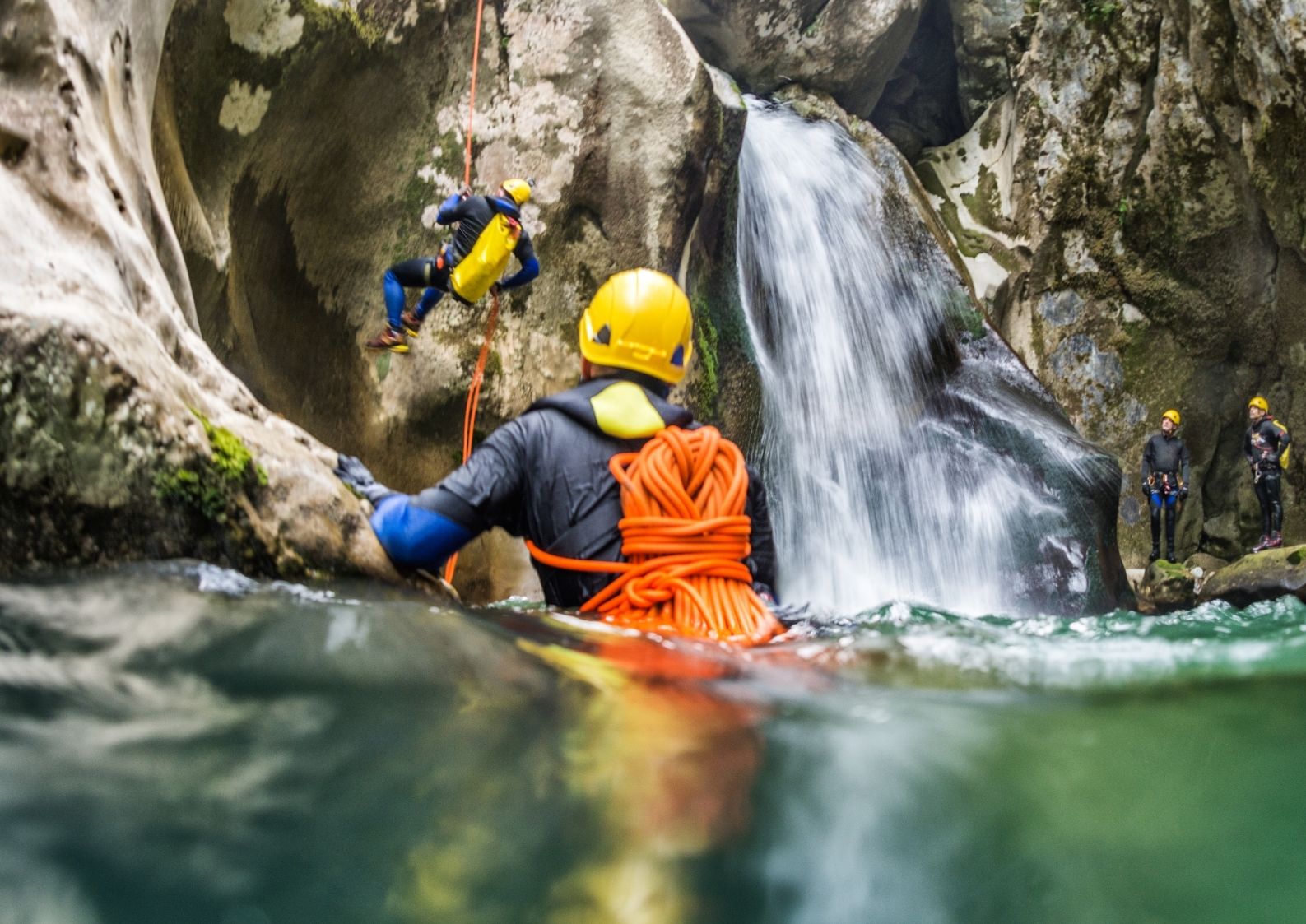
- Canyoning combines hiking, climbing, swimming, scrambling, jumping and abseiling as you travel through narrow gorges carved by flowing water. Every canyon is different, with waterfalls, pools and natural rock formations creating an adventure that constantly changes from one section to the next.
- Via ferrata, which translates to “iron path,” allows people without climbing experience to travel across exposed mountain terrain using permanently installed steel cables, ladders and anchors. Participants remain clipped into the safety cable throughout the route while enjoying spectacular views that would normally only be accessible to experienced climbers.
Understanding these differences helps you choose an adventure that matches your fitness level, confidence and expectations. A first-time traveller may feel comfortable on a beginner abseiling session but find an advanced via ferrata or technical canyoning route far more demanding than expected.
Choose the Operator Before You Choose the Destination
The location may attract your attention, but the operator determines the quality of your experience.
Professional adventure companies invest heavily in guide training, route planning, equipment maintenance and emergency procedures. These are the details that rarely appear in travel photos but make all the difference once you’re standing at the top of a cliff or entering a mountain canyon.
Before booking, spend some time researching the company.
Read recent reviews and look beyond the overall rating. Comments mentioning knowledgeable guides, clear safety briefings and patient instruction often provide a better indication of quality than dramatic photographs.
It’s also worth checking how long the company has been operating and whether guides hold recognised outdoor qualifications relevant to the activities they lead.
Don’t hesitate to ask questions before making a booking. Experienced operators are usually happy to explain how they manage safety, what to expect during the day and whether a particular route is suitable for your ability.
A company that welcomes questions is often one that takes preparation seriously.
Ask What Equipment Is Included
The quality of an operator’s equipment says a great deal about how they approach safety.
Most guided adventures provide participants with all the specialist gear required for the activity. Depending on the experience, this may include helmets, climbing harnesses, ropes, locking carabiners, descenders, via ferrata lanyards, wetsuits or buoyancy equipment.
While you don’t need technical knowledge about climbing equipment, you should understand the basics of what you’re using and feel confident it’s being maintained properly.
Ask whether equipment is inspected regularly and replaced when necessary. Professional operators are usually transparent about their inspection processes because maintaining equipment is a core part of their business.
Before you clip into an adventure, take a moment to observe the condition of the gear. Helmets should fit securely, harnesses should be adjusted correctly and ropes should not show obvious signs of excessive wear or damage. Guides should also be able to explain the purpose of the equipment and how the safety system works in clear, simple language.
Using quality abseiling equipment is about far more than ticking a compliance box. Well-maintained gear, regular inspections and proper fitting all contribute to a safer and more enjoyable experience, giving participants confidence before they even begin the descent.
Learn the Basic Gear Checks Anyone Can Make
You don’t need to become a climbing expert to recognise good safety habits.
Watch how the guides prepare the group before the activity starts.
- Does every participant receive an individual harness fitting?
- Are helmets adjusted properly rather than simply handed out?
- Do guides check buckles before anyone begins?
- Are ropes organised carefully?
- Does the guide explain the route and encourage questions?
Professional guides perform these checks automatically because consistency matters.
They also create an environment where participants feel comfortable speaking up if something doesn’t feel right. No one should ever feel rushed into an activity without understanding the basic safety procedures.
Small details often reveal far more about an operator than expensive marketing or polished social media videos.
Choose a Route That Matches Your Ability
One of the biggest mistakes first-time adventure travellers make is booking the most spectacular-looking route instead of the one best suited to their experience.
A breathtaking mountain backdrop doesn’t necessarily mean the activity is beginner-friendly.
Some routes involve long uphill hikes before the adventure even begins. Others require sustained physical effort, confidence with heights or several hours of continuous movement.
Ask the operator about the route’s difficulty, expected fitness level and previous experience requirements.
You should also ask about:
- Total trip duration
- Walking distance before the activity
- Height of descents
- Opportunities to rest
- Alternative exit points if someone is unable to continue
Professional operators would rather place guests on a route they’ll enjoy than one that exceeds their comfort level.
Choosing an adventure that matches your current ability almost always leads to a better overall experience.
Understand How Weather Affects Adventure Activities
Weather is far more than a comfort issue in outdoor adventure sports.
Heavy rainfall can rapidly increase water levels in narrow canyons, making canyoning routes unsafe. Strong winds may affect exposed abseiling sites, while thunderstorms create serious hazards on via ferrata routes where participants remain attached to steel safety cables on open mountainsides.
Responsible operators monitor forecasts continuously and won’t hesitate to postpone, modify or cancel trips if conditions change.
While cancellations can be disappointing, they’re often evidence of good decision-making rather than poor service.
Before booking, ask about the company’s weather policy and what happens if conditions become unsuitable on the day of your adventure.
Knowing the answer in advance provides reassurance that safety will always come before the schedule.
Dress for Comfort and Safety
Specialist equipment is only one part of being properly prepared.
Most operators expect participants to arrive wearing suitable clothing and footwear.
Comfortable clothes that allow unrestricted movement are ideal, along with sturdy closed-toe shoes that provide good grip on uneven terrain.
Depending on the location and season, you may also need:
- Weather-appropriate layers
- Sunscreen
- Sunglasses
- A reusable water bottle
- Light snacks
- A towel and change of clothes for canyoning trips
Avoid loose jewellery or accessories that could become caught on equipment.
If you’re unsure what to bring, ask for a recommended packing list before the day of your adventure.
Watch for These Red Flags Before Booking
Most adventure tourism businesses operate professionally, but it’s still worth recognising a few warning signs.
Be cautious if an operator:
- Cannot explain how equipment is maintained.
- Avoids answering questions about guide qualifications.
- Offers unusually large group sizes with limited supervision.
- Doesn’t provide a clear safety briefing.
- Has no obvious weather policy.
- Pressures participants to continue when they feel uncomfortable.
Trust your instincts.
A well-run adventure company understands that informed participants are confident participants. They won’t dismiss reasonable questions or make you feel rushed.
Questions Worth Asking Before You Book
Before confirming your booking, consider asking a few simple questions.
| Question | Why it matters |
| Is this suitable for beginners? | Ensures the activity matches your experience level. |
| What equipment is provided? | Helps you prepare and confirms what’s included. |
| How many people are in each group? | Smaller groups often receive more individual attention. |
| What happens if the weather changes? | Demonstrates how the operator manages changing conditions. |
| How long does the activity take? | Helps you understand the physical commitment. |
| Is there a safety briefing before we begin? | Shows how participants are prepared for the activity. |
Most professional operators will answer these questions clearly and confidently.
Your Adventure Booking Checklist
Before confirming your booking, take a few moments to check that you’ve covered the essentials.
✓ The operator has strong, recent reviews.
✓ Guides are experienced and appropriately qualified.
✓ The activity matches your fitness level and confidence.
✓ Equipment is included, well-maintained and professionally fitted.
✓ The company has a clear weather and cancellation policy.
✓ You know what to bring on the day.
✓ All of your questions have been answered before payment.
A few extra minutes of preparation can make a significant difference to your experience.
Final Thoughts
Abseiling, canyoning and via ferrata offer an unforgettable way to experience mountains, cliffs and wild landscapes from a completely different perspective.
The best adventures aren’t defined only by the scenery or the challenge. They’re shaped by the confidence that comes from knowing you’re in capable hands.
Choosing a reputable operator, understanding the route, asking the right questions and paying attention to the equipment provided all contribute to a safer, more enjoyable experience.
Adventure begins long before you step onto the trail. It starts with making informed decisions about the people you trust to guide you there.