
Portugal gets filed under “charming European city break” in most travel content. Lisbon’s trams. Porto’s port cellars. Algarve beach days. And all of that is real and worth doing.
But the Portugal that made me rethink the country entirely is the one that doesn’t make the Instagram roundups. The one where the Atlantic hits volcanic cliffs at force, where mountain trails run through villages that haven’t changed in decades, and where you can surf, hike, and wild swim in the same day without getting in a car twice.
This is Portugal’s adventure side. And it deserves a proper introduction.
The West Coast: Europe’s Best-Kept Surf and Trail Corridor
The Vicentine Coast – stretching from Porto Covo in the Alentejo down to Sagres at the southwestern tip of Europe – is protected as a natural park, which means it’s been largely spared the resort development that transformed the central Algarve.
What you get instead: towering sea cliffs, empty beaches accessed by dirt paths, fishing villages where the restaurant menu depends on what came in that morning, and some of the most consistent surf in Europe.
Surf highlights:
- Arrifana – A horseshoe bay sheltered by cliffs, with a reliable right-hander that works on most tides. Less crowded than Ericeira despite comparable wave quality.
- Carrapateira (Amado Beach) – Open beach break with enough space that even in peak summer you can find your own peak. The sunset here is one of the best on the entire Portuguese coast.
- Ericeira – Europe’s only World Surfing Reserve, and for good reason. Multiple breaks within a short stretch, from mellow longboard waves at Foz do Lizandro to the heavy reef break at Coxos.
The Rota Vicentina is the real gem for hikers. This 750km network of walking trails follows the coast and the interior, split into two main routes: the Historical Way (inland, through cork oak forests and rural villages) and the Fishermen’s Trail (coastal, along cliff tops with ocean views for virtually every step).
The Fishermen’s Trail between Porto Covo and Odeceixe is, without exaggeration, one of the finest coastal walks in Europe. Four to five days of cliff-edge paths, wild beach descents, and overnight stops in villages where a three-course dinner with wine costs under €15.
The Azores: Volcanic Adventure in the Middle of the Atlantic
If mainland Portugal is underrated for adventure, the Azores are practically unknown to most international travelers.
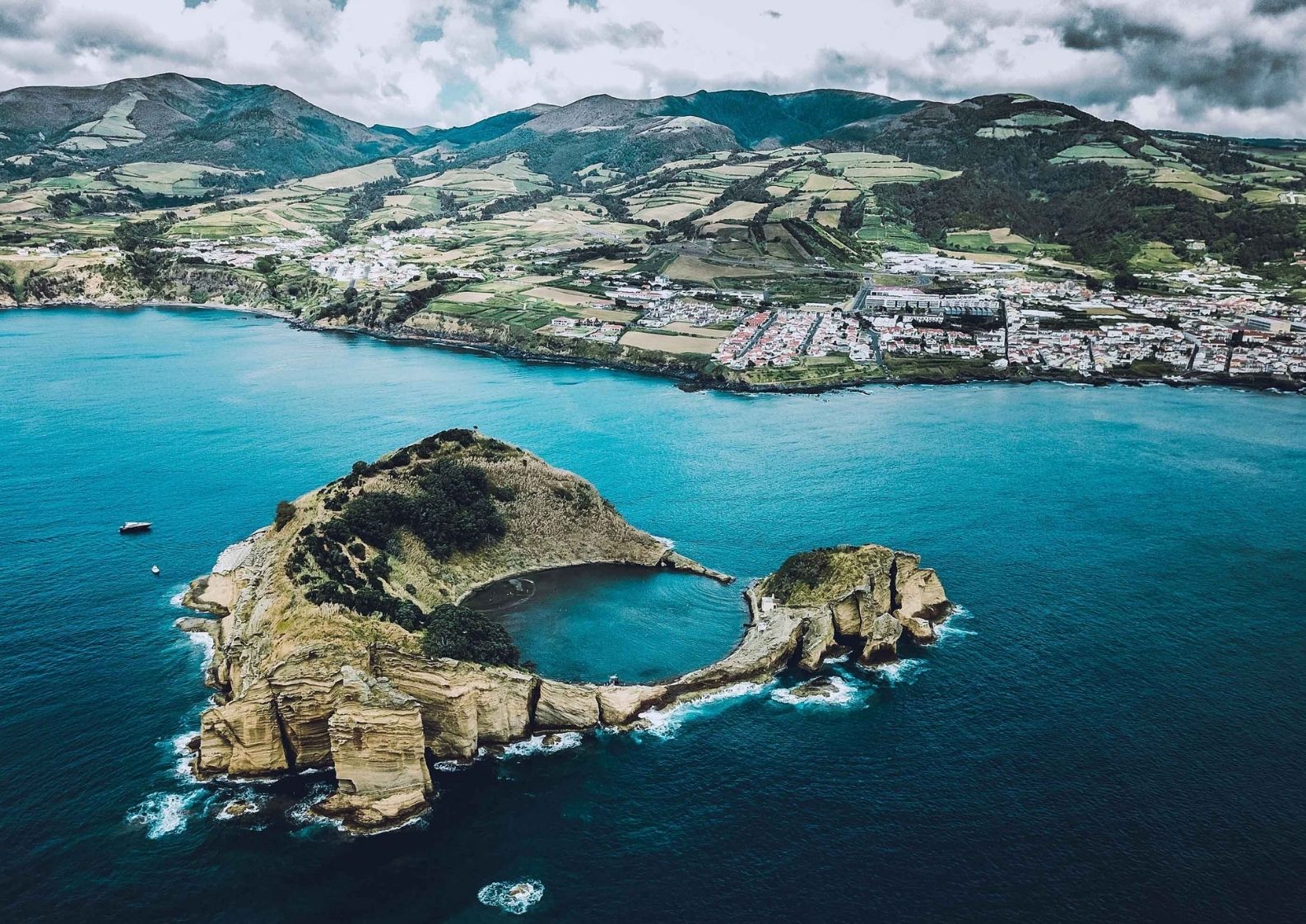
Nine volcanic islands scattered across the mid-Atlantic, 1,500km from Lisbon. The landscape is Jurassic Park meets Iceland meets Hawaii – and that’s not hyperbole. Calderas filled with twin-coloured lakes. Thermal hot springs steaming in forest clearings. Trail networks through laurel forests that feel primordial.
Sao Miguel (the largest island) offers:
- Sete Cidades – A massive caldera containing two lakes, one green and one blue, ringed by ridgeline trails. The PR1 trail around the rim is a half-day hike that delivers views completely out of proportion to the effort required.
- Furnas – A volcanic village where food is cooked underground in natural thermal vents (cozido das Furnas – a stew slow-cooked by the earth itself). The Terra Nostra botanical garden has a thermal pool the colour of iron, warm enough to swim in year-round.
- Whale watching – The Azores sit on a migration corridor for sperm whales, blue whales, and several dolphin species. Boat trips run from Ponta Delgada, with sighting rates above 90% in season.
Flores and Corvo (the westernmost islands, technically the most western point of Europe) are genuinely remote. Flores has waterfalls that drop directly into the ocean, natural rock pools, and a permanent population of around 3,500. If solitude is the adventure you’re after, this is where you find it.
The Interior: Mountains, Rivers, and Nobody
Most international visitors to Portugal never leave the coast. This is a mistake.
Serra da Estrela is mainland Portugal’s highest mountain range, reaching 1,993 metres. In winter, it has snow and basic skiing. In summer, the high plateau – a barren, glacially carved landscape of granite boulders and mountain lakes – feels like a different country entirely. The circular hike around the glacial valley of Covao d’Ametade is world-class and genuinely uncrowded.
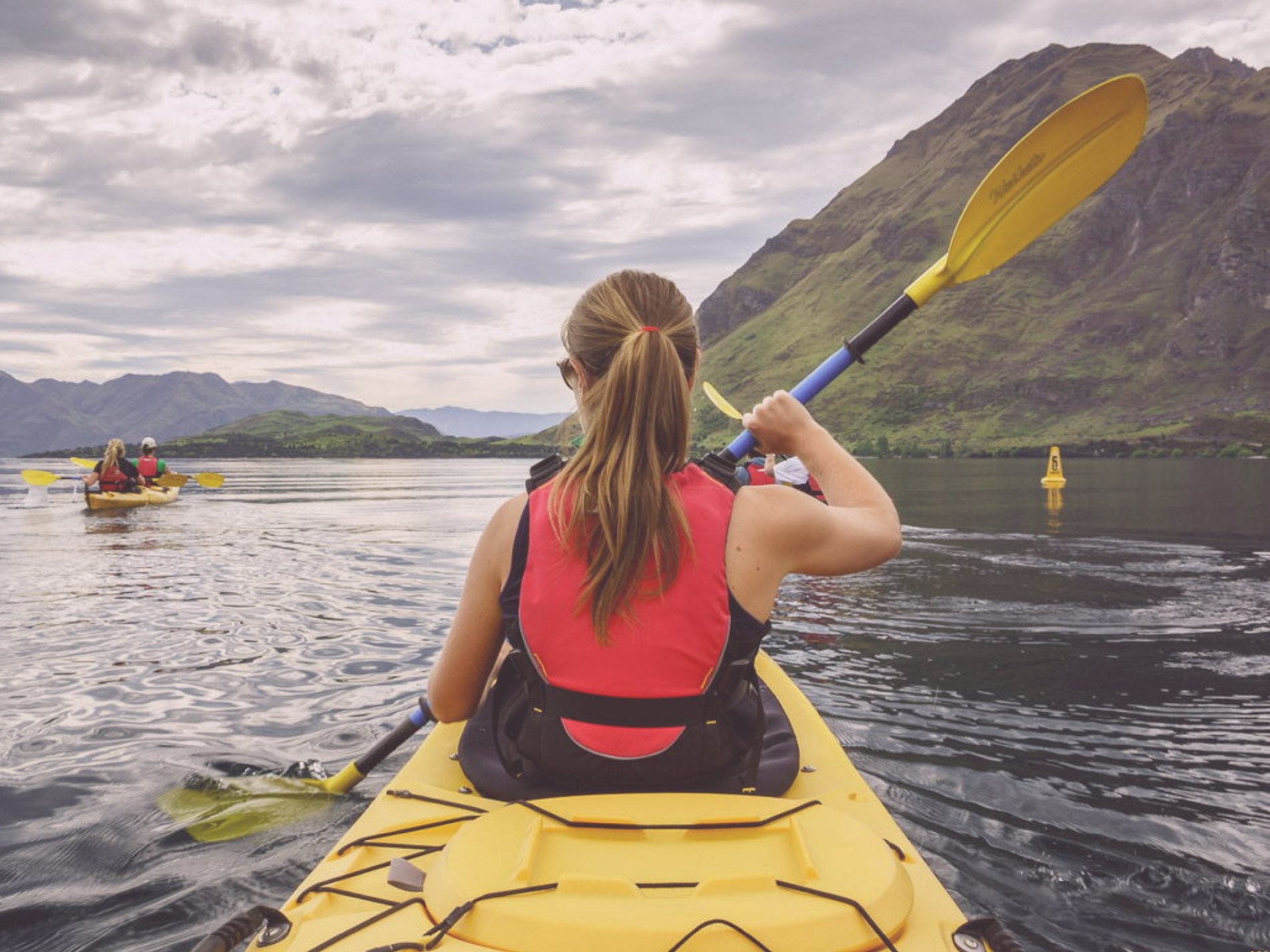
The Douro Valley is famous for port wine terraces, but the river itself offers kayaking and wild swimming in sections that are completely tourist-free. The International Douro (the stretch forming the border with Spain) runs through canyons where you won’t see another person for hours.
The Guadiana River along the Spanish border in the Alentejo is increasingly popular for multi-day kayak expeditions – gentle current, warm water, castle-topped villages appearing on the banks at intervals that are suspiciously well-spaced for overnight stops.
Photography Notes
Portugal’s light is extraordinary, and it varies dramatically by region.
The Alentejo interior has a golden, Tuscan quality in the afternoon – rolling cork forests, whitewashed villages, long shadows from late afternoon onward. The best window is the two hours before sunset, when the landscape turns amber.
The Azores operate on a different visual register entirely. Mist, cloud breaks, volcanic drama, and green so saturated it borders on synthetic. Bring a polarising filter. Shoot on overcast days without apology – the diffused light makes the colours more intense, not less.
The west coast cliffs at golden hour are almost too easy to photograph. Arrifana, Cabo de Sao Vicente, and the Ponta da Piedade sea stacks at Lagos are genuinely spectacular subjects. The challenge is restraint – knowing when to stop shooting and just look.
The Bit Nobody Expects to Care About (Until They Do)
Something happens to a certain kind of traveller in Portugal. It happened to me. You arrive for the adventure, and somewhere between the surf, the trails, and the €8 dinners, a quieter thought surfaces: what would it take to stay?
It’s not an idle question. Portugal has built practical pathways for exactly that thought.
The D7 Visa covers people with passive income, pensions, or investment returns – a two-year renewable permit that leads to permanent residency. For the detail-oriented, Global Citizen Solutions has a thorough Portugal D7 Visa guide covering the specific income thresholds, documentation, and process timelines.
The Golden Visa (restructured in 2023, now focused on investment funds rather than property) provides EU residency with remarkably low physical presence requirements – useful for travellers who want a legal European base without abandoning the road entirely. The current Portugal Golden Visa framework is different enough from earlier versions that it’s worth reading the updated specifics before assuming you know how it works.
Neither of these is the reason to come to Portugal. But for the adventure traveller who discovers that this country offers something beyond the next trip, they’re worth knowing about.
Practical Adventure Kit
- Best months: April-June and September-October for hiking and surf. July-August for the Azores (whale season). December-March for Serra da Estrela snow.
- Transport: Rent a car. Portugal’s public transport connects cities well, but adventure spots require your own wheels. Manual gearbox is standard and cheaper.
- Water temperature: The Atlantic is cold. Full stop. A 4/3mm wetsuit is standard for surf year-round. Wild swimming in rivers is warmer from June onward.
- Camping: Wild camping is technically prohibited in mainland Portugal but tolerated in many rural areas. The Azores have designated camping areas. Campsite networks across the Alentejo and Vicentine Coast are excellent and inexpensive (€10-15/night for two with a van).
- Safety: Portugal is one of Europe’s safest countries by every available index. Solo travellers, women travelling alone, and families with children will find the country remarkably secure.
Surf conditions, trail access, and seasonal information reflect 2025 conditions. The Rota Vicentina is maintained by volunteer and community organisations – consider a donation if you walk it.