
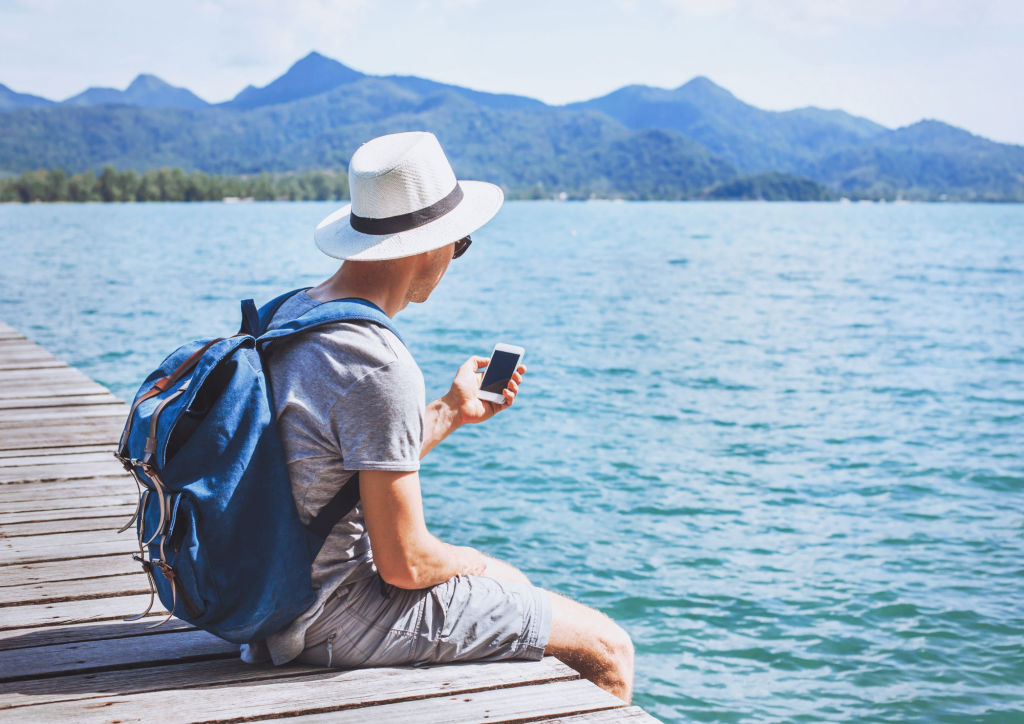
Travel and smartphones have become inseparable companions. Whether you’re hiking through mountain passes, exploring bustling city markets, or relaxing on a remote beach, your phone captures memories and keeps you connected. But the rigours of travel can be tough on tech. From unexpected drops to sand, saltwater, and temperature fluctuations, your device faces challenges it wouldn’t encounter during everyday use at home. Protecting your phone while travelling isn’t just about preventing costly repairs; it’s about ensuring your device remains functional and reliable throughout your journey.
The good news is that thoughtful preparation and the right protective gear can make a significant difference. Travellers who invest in quality phone protection often report fewer mishaps and greater peace of mind while exploring unfamiliar terrain. Whether you’re a seasoned adventurer or embarking on your first international trip, understanding how to safeguard your phone is essential. There are numerous options available, from basic protective cases to specialised travel accessories, and iPhone Duo phone case designs represent just one category among many protective solutions worth considering.
Understanding Your Phone’s Vulnerabilities While Travelling
Your smartphone is remarkably durable for everyday use, but travel introduces unique stressors. Humidity in tropical climates can cause condensation inside your device. Dust and sand from desert environments or beaches can infiltrate charging ports and speaker openings. Temperature swings between air-conditioned hotels and outdoor heat can affect battery performance. Accidental drops are more likely when you’re navigating unfamiliar streets, climbing rocky terrain, or managing multiple bags and cameras simultaneously.
Water exposure represents one of the most common travel-related phone hazards. Even if your phone has water resistance ratings, prolonged exposure to saltwater, chlorinated pools, or river water can compromise seals over time. Many travellers discover too late that their device’s water resistance has limitations they didn’t fully understand. Beyond environmental factors, the simple reality of travel means your phone spends more time in transit, packed in bags, and handled in ways that increase accident risk.
Choosing the Right Case for Your Travel Style
The type of phone case you select should align with your specific travel activities. Adventure travellers tackling rugged terrain benefit from cases offering maximum drop protection and shock absorption. These typically feature reinforced corners and raised bezels to protect the screen. If your travels involve water activities, look for cases with sealed ports and proven water resistance ratings rather than relying solely on your phone’s built-in protection.
For urban exploration and cultural tourism, slimmer cases that balance protection with portability might suit your needs better. These cases reduce bulk in your daypack while still offering adequate protection against everyday mishaps. Consider cases with textured surfaces or grips that prevent accidental slipping, especially when you’re photographing landmarks or navigating crowded markets.
The material composition matters too. Silicone cases offer flexibility and grip but can attract dust and lint. Hard plastic or polycarbonate cases provide rigidity and durability but may feel less comfortable in hand. Hybrid cases combining both materials offer a middle ground, providing protection without excessive weight or bulk.
Beyond the Case: Additional Protective Accessories
A quality case forms the foundation of phone protection, but complementary accessories enhance your overall defence strategy. Screen protectors prevent scratches and can reduce damage from drops, though they may affect touch sensitivity or screen clarity. Tempered glass protectors offer better clarity than plastic alternatives and provide genuine impact protection.
A waterproof pouch or dry bag serves as your phone’s insurance policy during water-based activities or unexpected weather. These affordable accessories have saved countless phones from water damage during river crossings, beach days, or sudden downpours. Even if your phone claims water resistance, using a dry bag during water activities adds an extra layer of security.
Consider a phone strap or attachment system that keeps your device secured to your person rather than loose in a bag. This prevents accidental drops when you’re climbing, hiking, or navigating crowded spaces. Some travellers use crossbody phone holders that keep their device accessible while keeping hands free for balance or photography.
Practical Travel Phone Care Habits
Protection extends beyond physical barriers to include daily maintenance habits. Keep your charging port clean and dry, using a small brush or compressed air to remove dust and sand. Avoid charging your phone in humid environments where condensation might form inside the charging port. Allow your device to acclimate to temperature changes gradually rather than moving it directly from cold outdoor air into warm hotel rooms.
Regularly back up your photos and data to cloud storage so that even if your phone is damaged or lost, your memories remain safe. This practice provides peace of mind that transcends any physical protection method. Many travellers find that cloud backup reduces anxiety about their device’s safety since the most valuable content is already secured elsewhere.
Store your phone in a dedicated compartment within your bag rather than loose with other items that might scratch or damage it. Keep it away from sharp objects, heavy items, and moisture sources. During beach days or water activities, store your phone in a secure, dry location rather than carrying it with you.
Planning for the Unexpected
Despite your best efforts, accidents happen. Before travelling, research your phone’s warranty coverage and whether it extends internationally. Some travel insurance policies include device protection, which can be worthwhile for extended trips or adventure travel. Knowing your options before an incident occurs allows you to respond quickly and effectively if something goes wrong.
Identify phone repair shops or authorised service centres in your destination before you arrive. Having this information readily available means you won’t waste precious travel time searching for help if your device sustains damage. Many major cities have repair options, but remote destinations may not, making prevention even more critical.
Conclusion
Protecting your phone while travelling requires a combination of quality gear, practical accessories, and mindful habits. By selecting appropriate protective cases, investing in complementary accessories like screen protectors and waterproof pouches, and maintaining consistent care practices, you significantly reduce the risk of damage to your device. Your phone serves as your connection to loved ones, your navigation tool, and your camera for capturing travel memories. Taking time to protect it ensures your device remains reliable throughout your adventures, allowing you to focus on the experiences and destinations that make travel meaningful.