

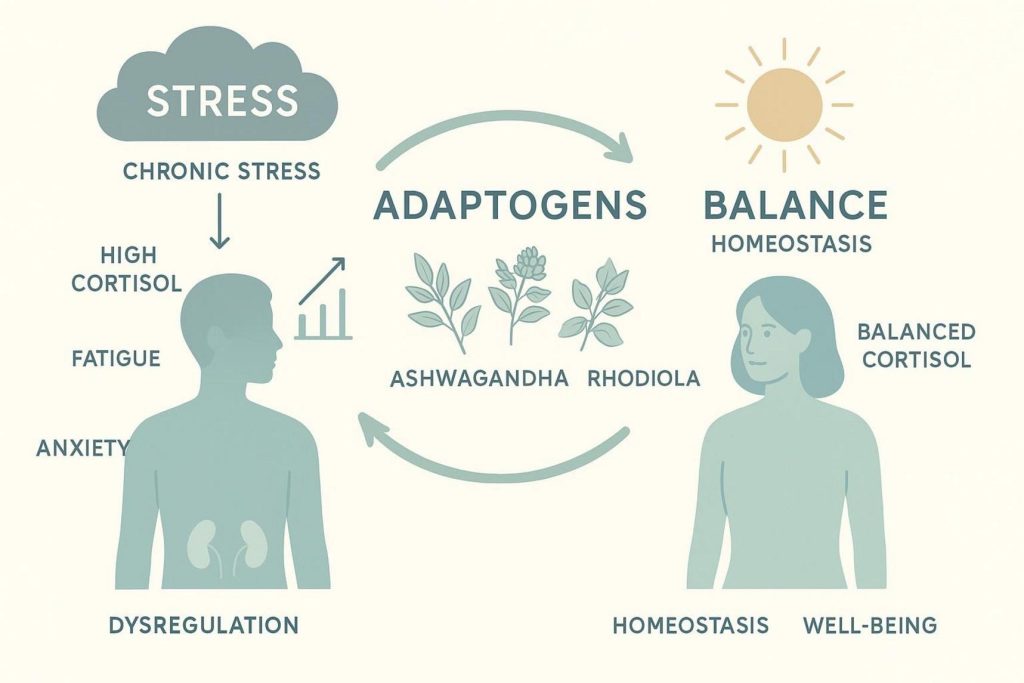
Adaptogens are a group of plants and mushrooms that people have used in traditional health systems for a long time, including Ayurveda and Traditional Chinese Medicine. Put simply, adaptogens help your body handle different kinds of stress-physical, mental, or emotional-by helping it return to a steady, balanced state (often called homeostasis).
With busy schedules and constant pressure, many people are paying attention to these herbs and mushrooms again. If you want an easy, pleasant way to add them to a modern, luxury self-care routine, organic mushroom gummies from Circle Organics are a simple option that can turn wellness into a daily habit you enjoy.
What Are Adaptogens?
The word “adaptogen” is fairly new (it has been around for less than 100 years), but the idea is older: adaptogens are natural substances that can help the body build general resistance to stress. Unlike stimulants that can give you a quick lift and then a drop, adaptogens work in a more steady way, supporting normal body function and overall stamina. Adaptogens are usually described by three main points: they should be safe at normal doses, they should help the body deal with stress, and they should help the body return to a stable, balanced state.
How Do Adaptogens Affect the Body?
Many adaptogens work by supporting the hypothalamic-pituitary-adrenal (HPA) axis, which is one of the body’s main systems for managing stress. When you face stress, the HPA axis helps release hormones like cortisol. Adaptogens may help keep this response in a healthier range so cortisol does not stay too high or too low. For example, if stress has pushed cortisol up, an adaptogen may help bring it down. If long-term tiredness is linked with low cortisol, it may help bring it up. The goal is balance.
This type of herbal support can raise or lower certain body reactions based on what you need. That can mean steadier energy without the shaky feeling some people get from caffeine, or a calmer mood without feeling overly sleepy. Over time, adaptogens may help your body respond better to future stress and reduce the strain stress can place on systems like heart rate, breathing, and mood. Many adaptogens also support communication between the nervous system and the hormone (endocrine) system.

What Are the Main Types of Adaptogens?
Adaptogens include many plants and mushrooms, and each has its own set of common uses. Some well-known adaptogenic herbs include Ashwagandha (Withania somnifera), often used for a calmer stress response and support for systems like the endocrine, nervous, immune, and cardiovascular systems. Asian ginseng (Panax ginseng) and American ginseng (Panax quinquefolium) are commonly used for mental and physical fatigue, nervous system support, and immune health.
Rhodiola (Rhodiola rosea) is often used for fatigue, worry, low mood, and better performance during stressful periods. Eleuthero (Eleutherococcus senticosus), sometimes compared to ginseng, is also used for stress, tiredness, and immune support. Other popular choices include Holy Basil (Tulsi) for focus and calmer feelings, Schisandra for focus and endurance, and Maca and Turmeric, which are often added to blends for general wellness support.
What Are Adaptogenic Mushrooms?
Within the wider adaptogen group, some mushrooms stand out for their strong health-supporting qualities. These are often called “medicinal mushrooms.” People have used them for thousands of years, not just to help the body handle stress, but also for immune support and antioxidant benefits. They bring together traditional use and modern research in a way many people find appealing.
What Makes Mushrooms Adaptogenic?
Adaptogenic mushrooms contain natural compounds such as beta-glucans, triterpenes, and polysaccharides. These compounds work together to support the body’s ability to cope with stress. They may help the body respond to different kinds of stress-physical, chemical, or biological-by supporting the HPA axis and influencing immune activity. The main idea is helping the body return to a more even, steady state so it can handle everyday demands better.
Many of these mushrooms are also used for broader support, including energy, mood, thinking skills, recovery, and healthy aging. Their whole-body effects, along with immune support, antioxidants, and nervous system support, are why people often view them as powerful wellness tools.
Which Mushrooms Are Considered Adaptogenic?
Several mushrooms are commonly listed for their adaptogenic-style support:
- Reishi (Ganoderma lucidum): Often called the “Mushroom of Immortality,” Reishi is used for immune support, calmer feelings during stress, cortisol support, and better sleep. In Traditional Chinese Medicine, it is known as a “shen tonic,” which is linked with calming the mind and supporting the spirit.
- Cordyceps (Cordyceps sinensis): Often used for stamina, energy, and adrenal support. Cordyceps may help the body use oxygen more efficiently and may help with fatigue, which is why many athletes like it.
- Lion’s Mane (Hericium erinaceus): Not always labelled a “classic” adaptogen, but widely used for brain support. It is known for supporting memory, focus, mood, and nervous system balance, partly due to its link with nerve growth factor (NGF).
- Chaga (Inonotus obliquus): Grown in cold climates and known for high antioxidant content. Chaga is often used for immune support, antioxidant defense, and steadier energy.
- Turkey Tail (Trametes versicolor): A traditional mushroom for immune support. It contains polysaccharides that help guide immune activity and is also used for gut microbiome support.
- Shiitake (Lentinula edodes): Known as a food mushroom, but also used for heart and immune support, including compounds like lentinan.
- Maitake (Grifola frondosa): Used for immune support and may help keep blood sugar levels in a healthy range that is already normal.

How Do Adaptogenic Mushrooms Support Stress Response?
Adaptogenic mushrooms can support stress response in a few ways. They may help regulate stress hormones like cortisol through their influence on the HPA axis, which can help the body avoid overreacting (or underreacting) to stress. Reishi is often used for a calmer stress response and relaxation, while Cordyceps is commonly used for adrenal support, which can help the body stay steadier during stressful times.
Many mushrooms also support the nervous system. Lion’s Mane, for example, is often used for memory, focus, and concentration-areas that can feel worse under stress. Antioxidants found in mushrooms can also help protect cells from free-radical damage, which may increase during stress. By supporting both hormone balance and cellular health, these mushrooms offer wide support for resilience and day-to-day well-being.
What Are Mushroom Gummies?
Mushroom gummies are a newer way to take adaptogenic mushrooms. They are supplements that put mushroom extracts into a chewable, often good-tasting form. This has helped more people try adaptogens because gummies feel easy and familiar.
What Adaptogenic Mushrooms Are Used in Gummies?
Mushroom gummies often include a mix of popular mushrooms for broader support. Common choices include Lion’s Mane for memory and focus, Reishi for calm and immune support, and Cordyceps for energy and stamina. Chaga and Turkey Tail are also used often for antioxidant support and immune balance. The exact blend depends on the brand and the goal, like focus, calm, energy, or immune support.
To make gummies, producers usually extract the key compounds from mushroom fruiting bodies and sometimes mycelium, then add the extract to a gummy base. The base often includes natural flavours and sweeteners to cover the earthy taste that some people dislike in powders or tinctures. This careful process also helps keep each serving consistent.
How Do Mushroom Gummies Differ From Other Supplements?
Mushroom gummies have a few clear advantages compared with other forms. One big reason people like them is taste. Mushroom powders and tinctures can be bitter or earthy, but gummies make the daily dose easier to enjoy. Many come in fruit flavours, so it feels more like a small treat than a task.
Another benefit is convenience. Gummies are pre-measured, so you don’t have to scoop powder or count drops, and they are easy to carry. Capsules and tablets are also pre-measured and have little taste, but gummies can feel more enjoyable to take. Brands such as Circle Organics lean into that, splitting their mushroom gummies into simple daily formulas for energy, focus, sleep, and general support. Compared with cooking with whole mushrooms or mixing powders into drinks, gummies are a simple option for beginners or anyone who wants an easier routine.
Benefits of Mushroom Gummies for Self-Care
Adding mushroom gummies to a travel self-care routine can support different parts of health, from mood and focus to energy and immune support. They use adaptogenic mushrooms to support the body’s natural ability to recover and stay steady, especially during stressful periods.
Emotional and Cognitive Wellness
One of the most talked-about benefits of mushroom gummies is support for mood and thinking skills. Some mushrooms can influence the nervous system and stress hormones, which may help with a more even mood and better stress tolerance. Lion’s Mane is well known for brain support and is often used for focus and memory. It is linked with nerve growth factor (NGF), which supports neuron health and brain function.
Reishi is also popular for its calming effects, which may support a more stable mood and a healthier stress response. It is also used for antioxidant support, which may help protect brain cells from stress-related strain. By supporting both mood and mental performance, these gummies may help with brain fog, concentration, and a calmer mindset.
Supporting Energy and Vitality
If you deal with ongoing tiredness, mushroom gummies may help support steadier energy. Adaptogenic mushrooms can support healthy energy and stamina without the wired feeling some people get from caffeine. Cordyceps is often used to help with energy and fatigue. It is linked with ATP production, which is how cells create and use energy, and this may support physical performance and reduce tired feelings.
By supporting cell energy and adrenal function, adaptogenic mushrooms may also reduce the energy drain that long-term stress can cause. Many people describe the result as steady energy and clearer thinking, rather than a quick spike followed by a crash.
Promoting Immune Function
Mushroom gummies are also used for immune support. Many adaptogenic mushrooms contain compounds that help guide immune activity so the body’s defenses work well. Reishi, for example, contains beta-glucans, which are known for supporting immune response. This kind of immune balancing can help the body stay ready against germs while also helping calm an immune system that is working too hard, which can happen during long-term stress.
Turkey Tail is another common choice for immune support and includes polysaccharides like PSP, which are studied for immune and gut health benefits. Shiitake also contains lentinan, often linked with immune support. Supporting immune function in this way can be a smart part of long-term wellness.
Antioxidant and Stress-Balancing Properties
Many mushroom gummies also provide antioxidants, which support cell health. Antioxidants help protect cells from free radicals, which are linked with aging and many health issues, and can increase during stress. Chaga is known for very high antioxidant levels and is often used to support the body’s natural defences against oxidative damage.
Reishi also contains antioxidants and is widely used for a calmer, more balanced stress response. These two benefits-antioxidant support and stress support-often work together. By lowering oxidative stress and helping the body cope with daily pressure, these gummies can support both short-term well-being and longer-term vitality, which fits well with a high-end, proactive self-care style.
How Mushroom Gummies Fit Into a Luxury Self-Care Routine
A luxury self-care routine is more than simple indulgence. It focuses on intention, results, and turning small daily habits into moments that feel good and support your health. Mushroom gummies match this idea by combining traditional ingredients with modern ease, making supplements feel like part of a premium daily ritual.
Convenience and Enjoyment in Daily Rituals
Luxury self-care should feel smooth and enjoyable. Mushroom gummies do this well. Instead of drinking bitter mixtures or measuring powders, you get a chewable option that tastes good and still delivers adaptogenic support. This makes it easier to take them regularly, and regular use matters because adaptogens tend to work best over time. You can take them in the morning for focus and energy, or later in the day for a calmer mood, depending on the mushroom blend and your needs.
A simple example: a morning gummy can support focus and set a steady tone for the day. In the evening, a calming gummy can help you shift from a busy day into a more relaxed state. That mix of results and enjoyment can make supplements feel like a part of self-care, not another task.
Pairing Mushroom Gummies With Other High-End Wellness Practices
In a luxury routine, the pieces should work well together. Mushroom gummies can pair nicely with other wellness habits. You might take them before meditation or gentle yoga to support calm and clarity. A morning gummy can fit with a nutrient-rich breakfast smoothie for steadier energy. At night, a calming gummy can go well with a warm bath and essential oils to support relaxation and sleep.
They also fit into the trend of functional drinks. Some cafés serve reishi lattes, and some alcohol-free drinks include adaptogens. Gummies give you a direct, measured serving that can sit alongside these habits. When you add mushroom gummies to a bigger wellness plan, each habit can support the others and make the routine feel more complete.
What Sets Premium Mushroom Gummies Apart?
Gummy quality matters, especially in a luxury routine. Premium mushroom gummies usually stand out in a few ways:
- Ingredient quality: They focus on high-quality, organic ingredients and careful sourcing, with mushrooms grown in clean conditions and checked for unwanted contaminants.
- Testing and transparency: Many premium brands use third-party testing for safety and potency and share clear details about what is inside.
- Extraction methods: Better extraction can help keep and concentrate the active compounds, often using both fruiting bodies and mycelium depending on the formula.
- Cleaner formulas: Premium gummies often avoid artificial colors, flavors, and sweeteners, focusing instead on natural options.
A high-quality product aims to deliver real results, clean ingredients, and a pleasant experience, which is what many people expect from a luxury wellness habit.
How to Safely Incorporate Adaptogens and Mushroom Gummies
Adaptogens and mushroom gummies can be helpful, but using them in a smart way matters. Like any supplement, it helps to understand how to take them and what to watch for.
Dosage, Timing, and Consistency
When you start mushroom gummies (or any adaptogen), pay attention to the dose, timing, and regular use. Follow the serving size on the label. Taking more than suggested does not always lead to better results and may increase the chance of side effects. For comparison, ashwagandha is often taken as 1 to 6 grams of dry root per day in capsule form, while gummies use a set amount of extract per serving.
Timing can matter too. Mushrooms used for energy, like Cordyceps, are often better earlier in the day. Calming options like Reishi may fit better in the evening. Regular use is key because adaptogens tend to build effects slowly. Taking them daily for weeks gives your body time to respond, so think of them as steady support rather than a quick fix.
Potential Interactions and Side Effects
Most people handle adaptogens well, and side effects are uncommon, but they can happen. Some people may get mild digestive issues like stomach pain, constipation, nausea, or diarrhea. Allergic reactions are rare but possible. More importantly, adaptogens may interact with certain medicines or health conditions. Depending on the specific herb or mushroom, they might affect blood pressure, blood sugar, sleep patterns (especially if taken at the wrong time), thyroid activity, or how some antidepressants work.
If you have conditions such as high blood pressure, diabetes, insomnia, low thyroid function, or depression, be extra careful. Know why you are taking each adaptogen and how it could affect your body based on your health and medications. Choose brands with clear labels and dosing instructions.
When To Consult a Healthcare Provider
Before adding adaptogens or mushroom gummies to your diet, talk with a healthcare provider. This matters even more if you are pregnant, breastfeeding, taking medication, or managing a long-term health condition. A clinician can check for possible interactions and help you decide if adaptogens make sense for your situation.
They can also suggest which adaptogens may be a better fit and what dose is safer for you. Adaptogens can support wellness, but they are not a replacement for medical care, especially if you have ongoing symptoms. Working with a professional helps you use supplements safely while also addressing the root cause of any health issues.
Frequently Asked Questions About Adaptogens and Mushroom Gummies
Are mushroom gummies suitable for daily use?
Yes, mushroom gummies are often fine for daily use. Regular use is usually the best way to notice benefits. Many adaptogenic mushrooms are gentle and not strongly stimulating, so people often use them for long-term support. Still, follow the label instructions and check with a healthcare professional so the product fits your needs, especially if you have health conditions or take medication.
Who benefits most from adaptogenic supplements?
Adaptogenic supplements may help many types of people, especially those dealing with stress, worry, low energy, or mental fatigue. People who want better focus and brain support, or who want to support immune health, may also find them useful. Athletes and people with busy lifestyles often use adaptogens to support stamina and recovery. In general, anyone who wants natural support for stress, balance, and long-term wellness may benefit.
How long does it take to notice effects?
Adaptogens usually work slowly by supporting the body’s systems over time. Many people notice small changes in mood, stress tolerance, energy, or focus after a few weeks of daily use. Greater changes often show up after several weeks to a few months. The effects are usually gradual, so patience and steady use at the recommended dose matter.