
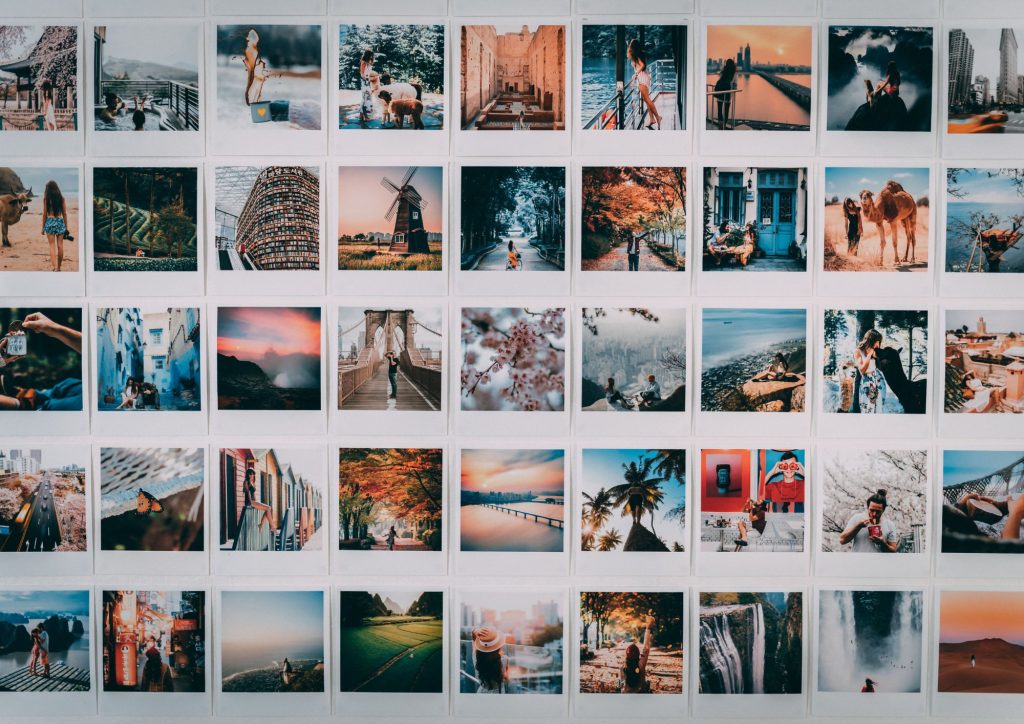
Most of us have a phone full of travel photos that we basically never look at. We take them in the moment because something feels important, but then they just sit there behind a glass screen. It is a bit of a waste. We spend all that time and money to see the world, and then we leave the visual proof of those trips tucked away in a digital graveyard.
But bringing those shots into your home shouldn’t be about plastering your walls with images like a souvenir shop. The goal is to find a way to make a space feel personal without relying on the mass-produced art everyone else has on their walls.
Turn digital to physical
The jump from a glowing screen to something you can actually touch changes the whole vibe. When you decide to get canvas prints from photos, you are giving a fleeting moment a bit of actual permanence. Services like Photobox are a good example of how to handle this. They take a digital file and turn it into something with real texture.
Standard photo paper can be hit or miss. It is often too shiny or feels a bit flimsy. Canvas has a different weight to it. It is matte and tactile, and it manages to hide the fact that you might have taken the shot on a phone while walking too fast. It turns a digital file into a piece of the room itself.
Find your best shots
The biggest mistake people make is trying to print everything. Most of what we take on the road is honestly just filler. When you are creating canvas prints with your favourite photos of your travels, you have to be a brutal editor. You are looking for your “hero” shot, the one image that actually says something about the trip without being a literal “wish you were here” postcard.
Match the room to the memory
You should think about the room first, not just the photo. If your living room is all dark wood and moody lighting, a bright street scene might be too jarring. Or maybe that is exactly the contrast it needs. A huge wide-angle shot can make a tiny apartment feel like it has an extra window. A tight, abstract close-up of some stone texture or a weathered door can look like expensive art, even if you just stumbled across it on your travels. Pick an image that has enough legs to stand on its own for a few years.
Tell your story
There is something much more grounding about having your own photography on the wall. It is not just filler. It is a story you actually know the ending to. You aren’t hanging a picture of a forest because it matches your rug. You are hanging it because you remember exactly how quiet it was when you took it.
Scale matters a lot here. A bunch of small frames often just looks like clutter. One massive canvas over a desk or a bed has a much bigger impact. It forces you to pick the absolute best thing you captured and give it the space it deserves. It stops being a photo and starts being part of the architecture of the house.